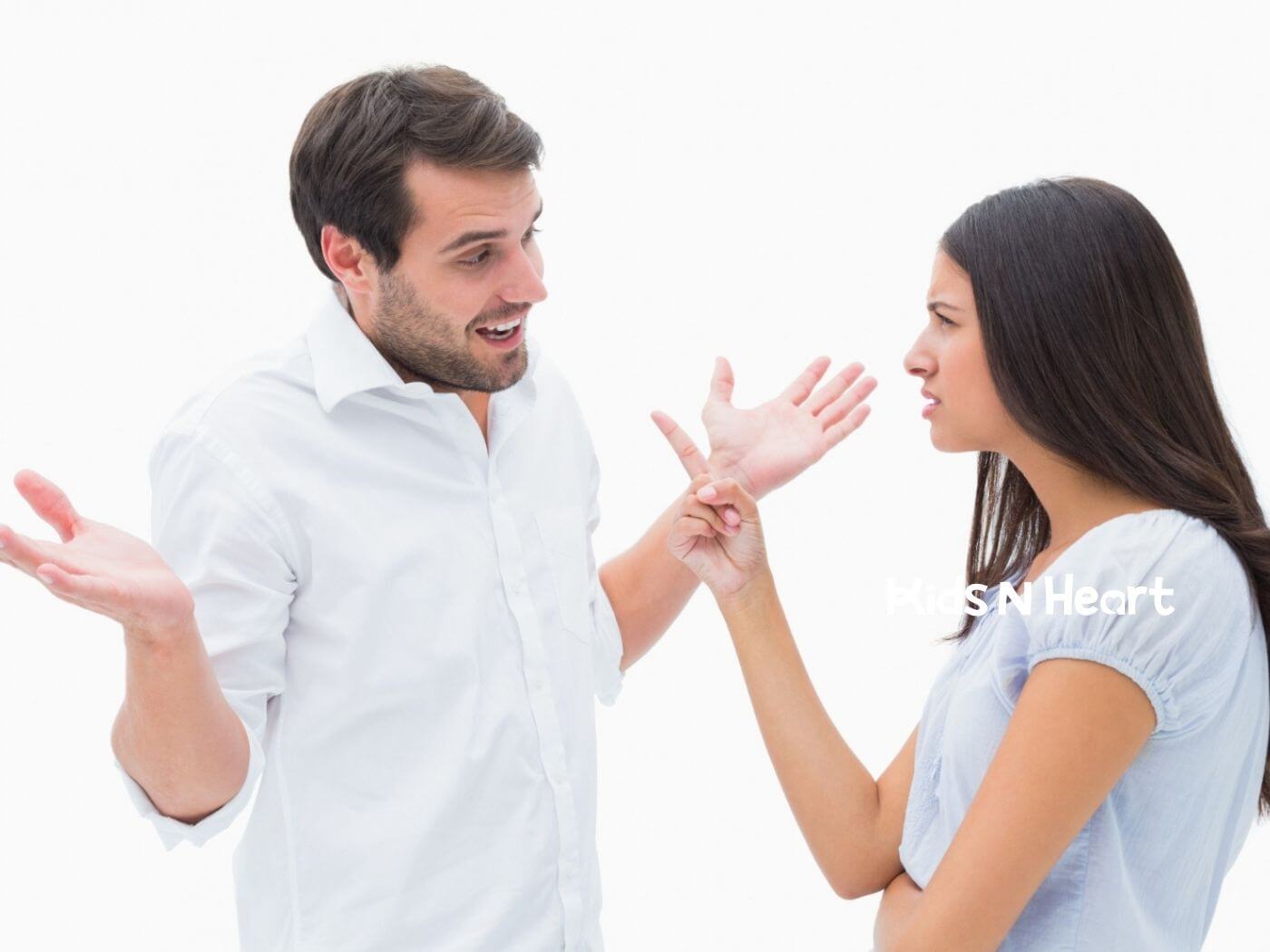
Saying something awkward, blunt, or socially off doesn’t automatically mean a person is autistic. We all mess up socially sometimes, and one comment alone is never enough to point to autism.
In my work as a BCBA, I often talk with parents who worry because their child says things that sound rude, too honest, or out of place. Social rules are actually pretty complicated. They change depending on age, setting, culture, and even who you’re talking to. Many children and adults—autistic or not—are still learning how to filter their thoughts, read the room, and understand what’s expected in different situations.
For some autistic individuals, social communication can be genuinely confusing. They may have a hard time picking up on facial expressions, tone of voice, or unspoken rules. They might take language very literally or struggle to understand how their words affect others. Because of this, they might say things that come across as blunt, off-topic, or inappropriate, even though they aren’t trying to be rude or hurtful.
What really matters is pattern, not a single moment. Autism involves ongoing differences in social communication, back-and-forth conversation, understanding others’ perspectives, and often includes repetitive behaviors or strong routines.
Saying something awkward once in a while does not equal autism. Even saying awkward things often doesn’t automatically mean autism either—anxiety, ADHD, impulsivity, language delays, and personality can all play a role.
The good news is that social communication skills can be taught. With the right support, kids can learn how to read social cues, think before speaking, and adjust their words to fit different settings. I’ve seen incredible growth when children are given clear, patient, and practical guidance instead of being labeled or corrected harshly.
If you’re in North Carolina and have concerns about your child’s social skills or possible autism, Kids N Heart ABA is here to help.
We offer In-home ABA, school-based ABA, and telehealth-based ABA services designed to support communication, social understanding, and confidence in everyday life.
Explore our ABA services in North Carolina to find support near you.
FAQs
Does saying inappropriate things automatically mean someone is autistic?
No. Many people say awkward or off-topic things at times. Autism is about consistent patterns, not isolated comments.
Why do some autistic individuals sound blunt or overly honest?
They may have difficulty reading social cues or understanding unspoken rules, not a desire to be rude.
Can social skills improve with therapy?
Yes. With the right support, children can learn how to communicate more effectively and navigate social situations with confidence.
Sources:
- https://pmc.ncbi.nlm.nih.gov/articles/PMC4513197/
- https://www.autismparentingmagazine.com/bossy-behavior-in-autism/
- https://community.autism.org.uk/f/parents-and-carers/30615/rudeness
- https://www.cdc.gov/autism/signs-symptoms/index.html
- Tags:
- ASD and more