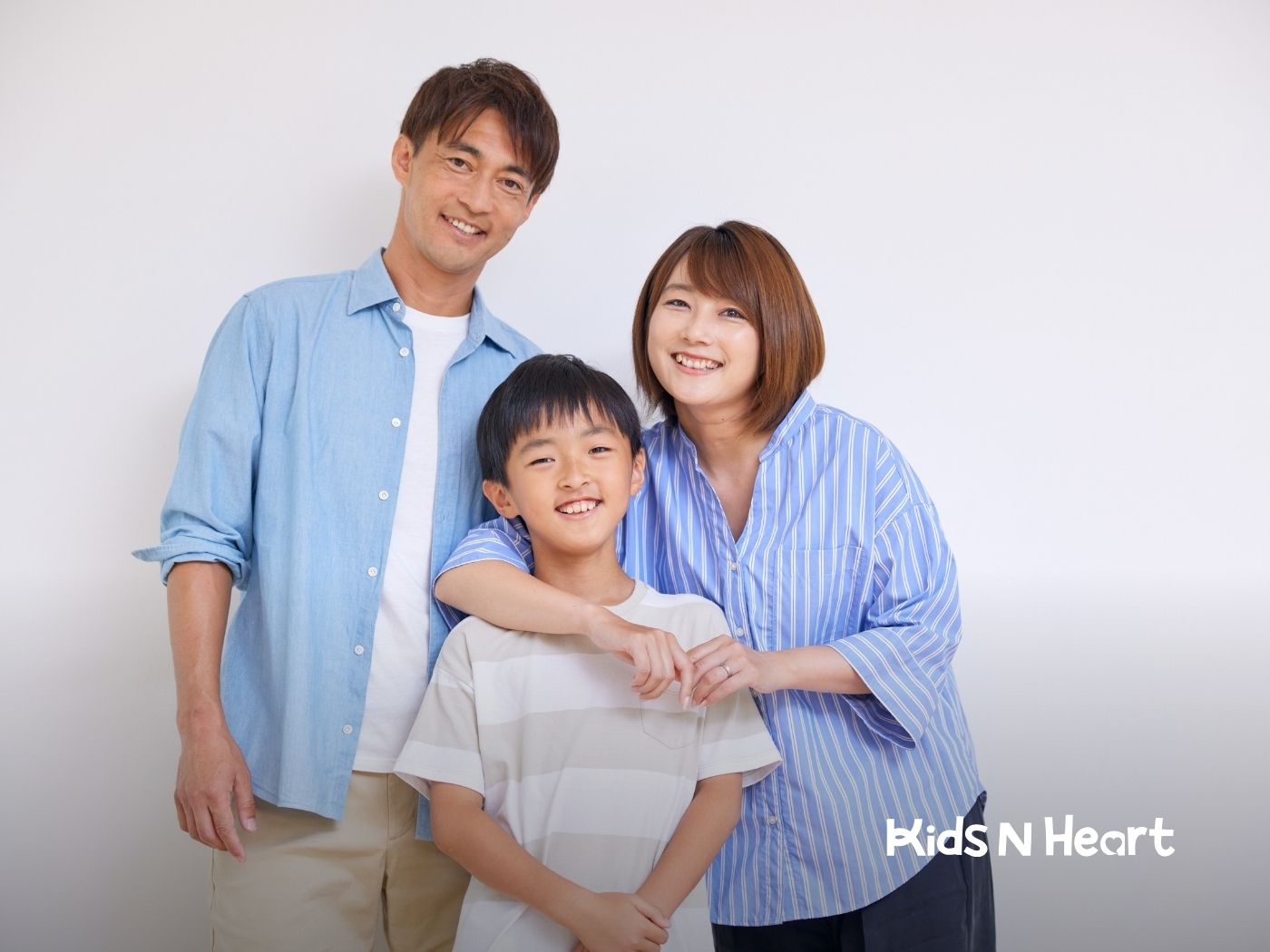
Attachment between children and parents is a natural part of development, but for autistic kids, the way they show that bond can sometimes look different. This can lead to misunderstandings, with some people assuming that autistic children are less attached to their parents—which isn’t true.
Autistic children often experience deep connections with their caregivers, but their expressions of love may not follow the usual patterns. Instead of verbal “I love yous” or frequent eye contact, they might show attachment through small, consistent actions—such as staying close by, sharing their special interests, or relying on their parents for comfort in new situations.
These differences don’t mean the bond is weaker. In fact, many autistic children depend strongly on the security and stability their parents provide. Recognizing and valuing these unique expressions of affection can strengthen the parent-child relationship.
At Kids n Heart ABA, we work with families to better understand these unique love languages. Through supportive therapy and parent guidance, we help build bridges of communication and connection so that children and parents can enjoy stronger, more fulfilling relationships.
Q1: Do autistic children bond with their parents?
Yes. Autistic children can form strong emotional bonds with their parents, though they may express attachment differently.
Q2: Why might it seem like an autistic child is less attached?
Some children may show attachment in nontraditional ways, such as seeking comfort through routines or physical closeness rather than verbal affection.
Q3: Can therapy help strengthen parent-child bonds?
Yes. ABA therapy and other supportive strategies can improve communication, emotional connection, and shared understanding.
Q4: How do autistic kids often express love?
They may express love through gestures, seeking
- Tags:
- autism