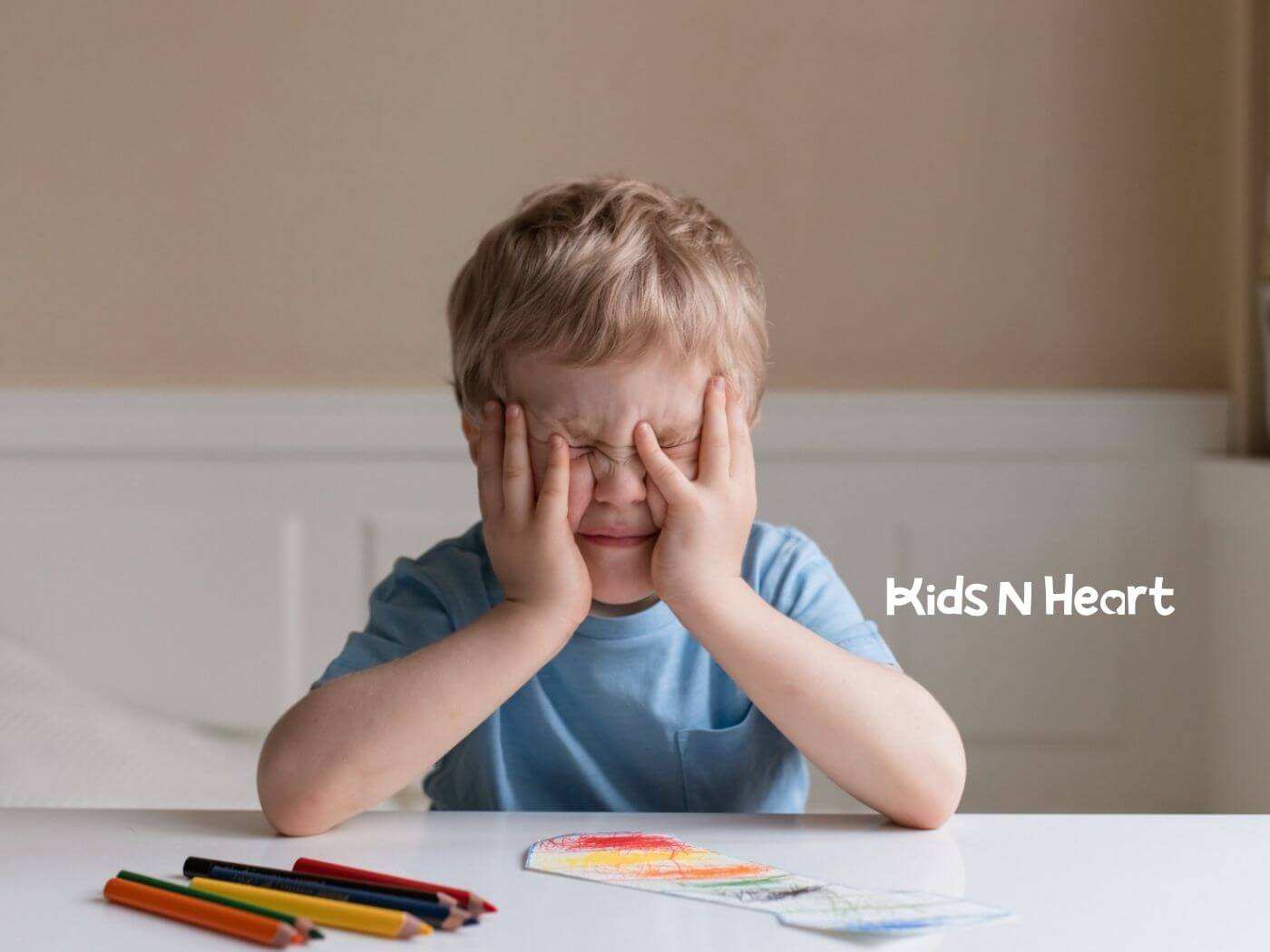
Sensory overload can show up in quiet, unexpected ways. I see it all the time—kids struggling not because they’re “misbehaving,” but because their bodies and brains are overwhelmed. The tricky part? Many of the signs are easy for parents to miss.
Sensory overload signs parents often miss
Sensory overload happens when a child’s nervous system takes in more than it can handle. Sounds, lights, touch, movement—even smells—can pile up fast. When that happens, kids don’t always melt down right away.
Sometimes, the signs are subtle.
Seeming “fine” but shutting down
Not every overwhelmed child cries or yells. Some do the opposite.
You might notice your child:
- Gets very quiet or withdrawn
- Stares off or seems “checked out”
- Stops responding when you talk to them
This shutdown is often mistaken for being tired or uninterested. In reality, it’s the brain hitting pause to cope.
Increased irritability over small things
If little things suddenly feel like big problems, sensory overload may be behind it.
Common examples:
- Melting down over socks, tags, or shoes
- Snapping at siblings for minor noises
- Getting upset when routines change slightly
When the nervous system is overloaded, there’s very little patience left.
Avoiding everyday activities
Parents sometimes think avoidance is behavioral or defiant. Often, it’s protective.
Watch for patterns like:
- Refusing busy stores or loud places
- Resisting haircuts, toothbrushing, or certain clothes
- Avoiding playgrounds or group activities
Your child may be trying to escape sensations that feel overwhelming or even painful.
Physical complaints without a clear cause
Sensory overload symptoms don’t just affect emotions—they affect the body.
Kids may say:
- “My head hurts”
- “My tummy feels weird”
- “I don’t feel good”
When medical issues are ruled out, sensory stress is worth considering.
Why these signs are easy to miss
Many kids hold it together all day. School, therapy, or social settings require a lot of self-control. By the time they’re home, their system is exhausted. That’s why parents often see the hardest moments later—and wonder where they came from.
Noticing these early signs can help you support your child before things escalate.
How support can help
With the right strategies, kids can learn to cope with sensory input more comfortably. ABA therapy often focuses on understanding what triggers overload and teaching skills that actually help a child feel safe and regulated.
At Kids N Heart ABA, we support families through:
We proudly serve families across North Carolina, meeting kids where they are—literally and emotionally.
If you’re noticing signs of sensory overload and aren’t sure what to do next, reach out to Kids N Heart ABA today. Early support can make everyday life feel easier for your child—and for you.
FAQs
What is sensory overload in children?
Sensory overload happens when a child’s brain receives more sensory input than it can process, leading to stress, shutdown, or meltdowns.
Can sensory overload look like behavior problems?
Yes. What looks like defiance or tantrums is often a child communicating discomfort or overwhelm the only way they can.
How can ABA therapy help with sensory overload?
ABA helps identify triggers, build coping skills, and reduce stress by teaching more comfortable and functional ways to respond to sensory input.
Sources:
- https://pmc.ncbi.nlm.nih.gov/articles/PMC6997554/
- https://theautismservice.co.uk/what-is-sensory-overload/
- https://www.autism.org.uk/advice-and-guidance/professional-practice/sensory-differences
- https://autism.org/pain-sensory-issues-and-autism/
- https://autismspectrumnews.org/nurturing-comfort-sensory-processing-through-an-autistic-lens/
- Tags:
- autism