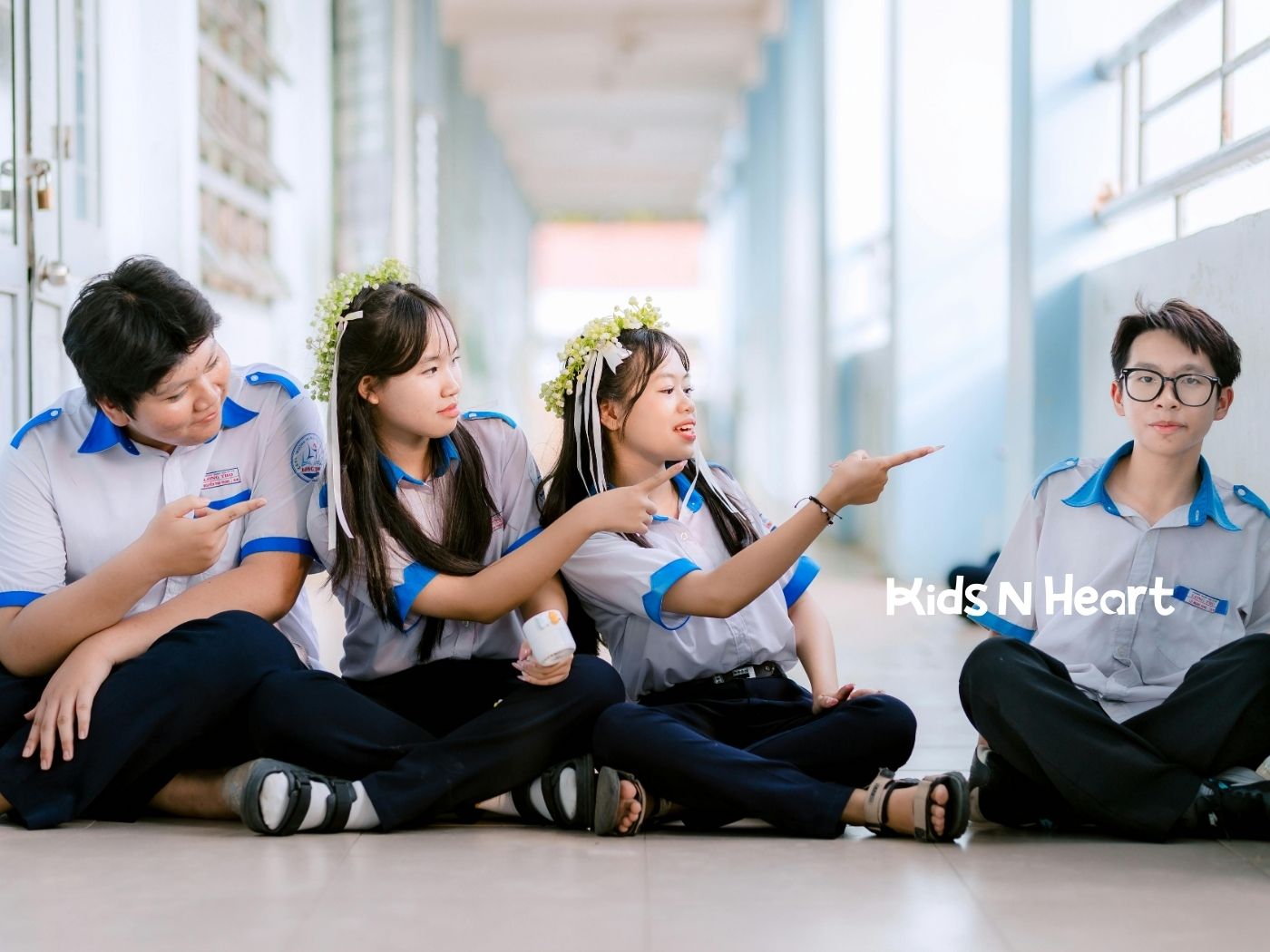
Finding engaging and enjoyable activities for autistic teenager is essential for their growth and happiness. While some autistic children may be resistant to changes in their daily routine, introducing new experiences can open up a world of possibilities. These activities are more than just a way to pass the time; they are powerful tools for learning, socializing, and building confidence. This guide explores a variety of fun activities designed to inspire and engage autistic teenagers, helping them develop crucial life skills.
Why Fun Activities Matter for Autistic Teenagers
Engaging in a fun activity is incredibly important for the development and well-being of autistic teenagers. These experiences provide a structured yet enjoyable way to build essential life skills outside of a formal therapy setting. Participating in activities they enjoy helps reduce anxiety and can make them more comfortable with social interaction.
Why are fun activities important for autistic teenagers? They offer a vital platform for growth. Through enjoyable experiences, teens can improve their communication skills, learn to navigate social situations, and discover new interests. This helps build self-esteem and provides a healthy outlet for expression, which is a crucial part of navigating the challenges associated with autism.
Promoting Social Skills Through Engaging Experiences
One of the most significant benefits of engaging activities is the opportunity to develop social skills. For many autistic children, social interaction can be challenging. Group activities, whether it’s playing a sport, joining a dance class, or participating in a community garden, create a natural environment for practicing communication.
These settings encourage teens to understand rules, take turns, and work as part of a team. For example, playing a simple board game requires waiting for your turn and following a set of instructions, which are foundational social lessons. These experiences help teens feel more comfortable socializing and making friends with others.
Through shared interests, teenagers can form new connections and practice their social skills in a low-pressure setting. Activities like group dancing or collaborative art projects allow for non-verbal communication and shared enjoyment, which can build a sense of camaraderie and boost confidence in social situations.
Supporting Emotional Well-being and Confidence
Activities that autistic people enjoy can have a profound impact on their emotional well-being. The teenage years can bring ups and downs for everyone, but these mood changes can sometimes be more frequent or severe for those on the spectrum. Engaging in a fun and predictable activity can be a calming and therapeutic exercise.
Successfully completing a task, whether it’s a puzzle, a painting, or a recipe, provides a sense of accomplishment that boosts self-esteem. As confidence grows, teenagers may feel more capable of handling new challenges and stepping out of their comfort zones. This newfound confidence can also lead to an increase in empathy and understanding of others.
Furthermore, activities like animal care can provide incredible emotional support. Taking care of a pet fosters a sense of responsibility and offers unconditional companionship, which can help alleviate stress and anxiety. These positive interactions contribute significantly to a teenager’s overall happiness and emotional stability.
Encouraging Creativity and Personal Interests
Allowing teenagers to explore their personal interests is a powerful way to foster creativity. Many activities, from storytelling to playing with clay, encourage imaginative thinking and self-expression. When a teen is engaged in something they genuinely love, they are more likely to be creative and spontaneous.
Impromptu storytelling, for example, can improve language skills and communication while helping them build confidence in their own ideas. Similarly, video games with role-playing elements encourage creativity and comprehension as players navigate new worlds and scenarios. These outlets allow teens to express themselves in unique ways.
Supporting these interests can also lead to new connections with peers who share similar passions. Whether it’s joining a book club for scientific books or a group that builds with LEGOs, shared hobbies create natural opportunities for socializing and forming friendships based on mutual enjoyment and understanding.
Sensory-Friendly Activities for Teens on the Autism Spectrum
For many teens with autism spectrum disorder, managing sensory stimulation is a daily challenge. Some individuals may experience sensory overload from certain textures, sounds, or lights, which can cause distress. Sensory play is designed to provide positive and controlled sensory stimuli, helping teens become more comfortable with different sensations.
Choosing the right activities can provide a healthy outlet for sensory needs without overwhelming them. These experiences can be either stimulating or calming, depending on the individual’s preferences. Below are some ideas for sensory-friendly activities that cater to a variety of needs and interests.
Exploring Sensory Play: Art, Music, and Movement
Sensory play through art, music, and movement offers a fantastic way for teens to engage their senses in a controlled and enjoyable manner. These activities can be adapted to suit individual sensitivities and preferences, making them highly effective. For instance, some teens may love the tactile feeling of clay, while others might prefer the cleaner experience of digital drawing apps.
Music is another powerful tool for sensory engagement. Listening to melodic sounds can be calming and help regulate mood, while learning to play an instrument stimulates the brain and improves memory. The repetitive nature of music can provide a comforting structure. Movement, such as dancing, releases endorphins and can be a great way to improve social interaction in a group setting.
Here are a few ideas for sensory play:
- Painting and Drawing: Allows for visual and tactile exploration. For those with tactile sensitivities, digital art apps are a great alternative.
- Dancing: Encourages body awareness and releases happy hormones, making it a fun group or solo activity.
- Playing an Instrument: Provides auditory and tactile sensory stimuli while improving coordination and focus.
Outdoor Nature Activities to Stimulate the Senses
Spending time outdoors offers a wealth of sensory stimulation that can be both calming and invigorating. Nature activities allow teens to engage with the world around them in a tangible way, from feeling the texture of leaves to smelling flowers. Working in a garden, for example, is a therapeutic exercise that can nurture a sense of responsibility.
These activities also help develop gross motor skills and coordination. Simple tasks like watering plants or raking leaves provide gentle physical exercise. For more active teens, hiking or walking on different terrains can challenge their balance and strength while providing a rich sensory experience.
Consider these outdoor nature activities:
- Gardening: Plant seeds, water plants, or volunteer at a community garden to connect with nature and improve social skills.
- Hiking or Walking: Explore local trails to experience different sights, sounds, and smells while getting physical activity.
- Horseback Riding: Offers a unique sensory experience and can help improve posture, balance, and emotional connection.
Calming Indoor Sensory Spaces and DIY Projects
Creating calming sensory spaces at home can provide a safe retreat for a teen feeling overwhelmed. These spaces can be filled with items that offer gentle sensory input, like weighted blankets or soft lighting. In addition to designated spaces, certain DIY projects and activities can serve a similar purpose, helping to calm and focus the mind.
Engaging in projects like solving puzzles or building with LEGOs can be highly beneficial. These activities are structured and predictable, which many teens on the spectrum find comforting. They require focus and discipline, helping to subdue restlessness while exercising the mind. Working with different shapes and pieces also enhances visual-spatial skills.
Here are some calming indoor ideas:
- Solving Puzzles: Jigsaw puzzles offer a quiet, focused activity that improves cognitive skills and provides a sense of accomplishment.
- Crafting with Clay: This form of sensory play engages the sense of touch and allows for creative expression, though it may not be suitable for all teens.
- Building with LEGOs: The repetitive motion and structured nature of building with blocks can reduce anxiety and improve problem-solving skills.
Interactive Games for Autistic Teens
Games are a fantastic and fun way for autistic teens to develop important skills. Interactive games, including board games, video games, and card games, provide a structured environment for learning rules, taking turns, and engaging with others. They can be a bridge to improving social skills in a low-pressure setting.
Many of these games are designed to be fun first, with developmental benefits as a welcome bonus. They can stimulate the mind, encourage creativity, and even teach valuable life lessons about strategy and teamwork. The following sections explore different types of games and their unique advantages.
Board Games That Foster Communication and Teamwork
Interestingly, board games offer a surprising number of benefits for teenagers with autism. They provide a clear structure with rules that help teens understand concepts like turn-taking and sportsmanship. Playing board games can be an effective way to enhance communication skills, as many games require players to ask questions, negotiate, or explain their moves.
This type of play naturally encourages teamwork and collaboration, especially in cooperative games where everyone works toward a common goal. Even competitive games teach valuable lessons about winning and losing gracefully. Board games are also excellent for improving comprehension, as teens must understand and apply the rules to play successfully.
For example, some games are specifically designed to target social skills, while others improve problem-solving and strategic thinking.
| Game Type | Benefits for Autistic Teens |
|---|---|
| Simple Dice Games (e.g., Ludo) | Teaches basic turn-taking and following rules. |
| Strategy Games (e.g., Chess) | Develops visual-spatial memory and problem-solving skills. |
| Social Skills Games | Focuses on understanding body language, asking questions, and teamwork. |
Video and Computer Games With Developmental Benefits
Many autistic teens are naturally drawn to video games due to their visual nature, clear structure, and immediate feedback. Far from being just a simple pastime, video games can help build a wide range of skills. Puzzle games require logic, while role-playing games encourage creativity and reading comprehension. These digital worlds offer a safe space to practice problem-solving without real-world consequences.
Playing multiplayer video games can also be an excellent tool for making new connections. Teens can interact with others who share their interests in a setting where communication can be less direct and intimidating than face-to-face conversations. This can help improve social skills and teach teens how to follow rules, manage resources, and collaborate with a team.
In some ways, the skill-building that occurs during gaming can produce results similar to applied behavior analysis (ABA) therapy. By rewarding progress and encouraging players to overcome challenges, video games can help improve focus, multitasking abilities, and comprehension in a highly engaging format.
Card Games and Puzzles for Focus and Engagement
Card games and puzzles are excellent activities for improving focus and engagement. These activities require concentration and discipline to complete, which can help calm a restless mind and channel energy into a productive task. The tactile sensation of handling cards or puzzle pieces can also be a satisfying sensory experience.
Working on puzzles helps enhance fine motor skills as teens manipulate small pieces to fit them together. It also exercises cognitive abilities and creative thinking. Similarly, many card games require strategy and memory, providing a great mental workout. These activities are perfect for quiet time alone or for engaging with family and friends.
Completing a puzzle or winning a card game provides a tangible sense of accomplishment that boosts confidence. These activities offer a structured way to practice focus and patience. The clear goal and step-by-step process can be very appealing and rewarding for teens who thrive on predictability and order.
Physical Activities to Boost Participation and Fitness
Physical activity is a vital component of a healthy lifestyle for all young people, and it offers unique benefits for teens with autism. Regular exercise can significantly improve motor skills, coordination, and overall fitness. It also provides a fantastic outlet for energy and can help reduce repetitive behaviors like body rocking or hand flapping.
Engaging in physical activities is not just about health; it’s also about participation and fun. Finding an activity that a teen enjoys can boost their self-esteem and provide opportunities for social interaction. The following ideas cover a range of options, from group sports to individual pursuits, to help you find the perfect fit.
Adaptive Sports and Group Exercise Ideas
Adaptive sports and group exercise classes are designed to be inclusive, making them a great option for young people with varying abilities. These activities are modified to ensure everyone can participate successfully, which helps build confidence and a sense of belonging. Participating in a team sport shows the importance of rules, teamwork, and healthy competition.
These group settings provide a natural environment for socializing and making friends. When young autistic people engage in sports like basketball or tennis, they improve not only their motor skills and fitness but also their social functioning. The shared goal of playing a game encourages communication and collaboration among teammates.
Here are a few adaptive sports and group exercise ideas:
- Basketball or Soccer: Team sports that improve muscular strength and social functioning.
- Group Dance Classes: A fun way to enhance coordination, memory, and empathy in a social setting.
- Martial Arts: Teaches discipline, focus, and body control in a structured environment.
Swimming, Biking, and Other Individual Activities
For teens who may feel overwhelmed in group settings, individual activities offer a fantastic way to stay active and build skills. Swimming, for example, is often a highly enjoyable activity that provides full-body sensory input in a calming aquatic environment. It’s an excellent way to improve cardiovascular health and gross motor skills.
Biking and jogging are other great individual activities that allow teens to explore their surroundings at their own pace. These pursuits build endurance and coordination while offering the flexibility to be done alone or with a friend or family member. The repetitive motion of these activities can be soothing and meditative for many.
Consider these individual physical activities:
- Swimming: A low-impact exercise that enhances fitness and provides a calming sensory experience.
- Biking or Hiking: Great for building endurance and gross motor skills while enjoying the outdoors.
- Active Video Gaming: Combines the fun of video games with physical movement, making exercise more engaging.
Tips for Motivating Teens in Physical Play
Encouraging young autistic people to engage in physical play can sometimes be a challenge, but motivation is key. The goal is to make fitness enjoyable and a regular part of their routine. Patience is crucial, as it may take time for a teen to warm up to a new activity. Start with their interests and build from there.
One of the best ways to encourage participation is to be a role model. When parents, family, and friends are enthusiastic about being active, it can inspire a teen to join in. Receiving support and encouragement from those close to them can make a significant difference in their willingness to try new things.
Here are some tips for boosting motivation in physical play:
- Start Small: Instead of long exercise sessions, begin with shorter periods of activity spaced throughout the day, like walking the dog.
- Focus on Fun: Sample a variety of activities to find what your teen genuinely enjoys, as fitness should be engaging, not a chore.
- Build Basic Motor Skills: Practice foundational skills like running, hopping, and throwing to build confidence for more complex sports.
Conclusion
Engaging in fun activities is crucial for autistic teenagers as it not only promotes social skills but also supports emotional well-being and creativity. By providing a variety of sensory-friendly experiences, interactive games, and physical activities, you can inspire your teen to explore their interests and connect with others. Remember, the goal is to create an inclusive and stimulating environment that fosters growth, confidence, and joy. Encourage your teenager to participate in activities that resonate with them, helping to build their skills and enhance their quality of life.
At Kids n Heart ABA, we believe every autistic teen deserves activities that spark joy, build confidence, and support meaningful growth. Serving families across North Carolina, our team helps parents choose fun, engaging experiences that match each teen’s interests and strengths—whether through creative play, social skill–building, or sensory-friendly adventures. With personalized ABA support, we turn everyday moments into opportunities for connection and progress. Contact Kids n Heart ABA today to discover how our programs can inspire your teen and support their unique journey.
Frequently Asked Questions
What are fun activities for autistic teenagers who prefer solo play?
For autistic teenagers who enjoy solo play, activities that tap into their personal interests are ideal. This can include reading, solving puzzles, building with LEGOs, or playing single-player video games. Creative outlets like drawing, painting, or learning a musical instrument also foster creativity and focus in a comfortable, independent setting.
How do I encourage my autistic teenager to try new activities?
Encouragement for an autistic teenager to try new activities should be gentle and supportive. Start by introducing the activity in a low-pressure way, perhaps by watching others first. Connect it to their existing interests and begin with short, manageable sessions. Providing positive reinforcement and being patient are key to helping teens with ASD feel comfortable.
Are there team activities suitable for autistic teens with limited verbal skills?
Yes, many team activities are great for autistic teens with limited verbal skills. Sports like swimming or track, group dance classes, and collaborative art projects rely less on verbal communication and more on shared action. These activities help build teamwork skills, empathy, and a sense of belonging without the pressure of constant conversation.
Sources:
- https://www.nimh.nih.gov/health/topics/autism-spectrum-disorders-asd
- https://www.medicalnewstoday.com/articles/sensory-overload
- https://www.understood.org/en/articles/sensory-friendly-indoor-games-and-activities
- https://www.healthline.com/health/what-is-sensory-stimulation
- https://www.newsweek.com/autism-valuable-benefits-board-games-1925358
- https://www.behavior-analysis.org/
- Tags:
- autism