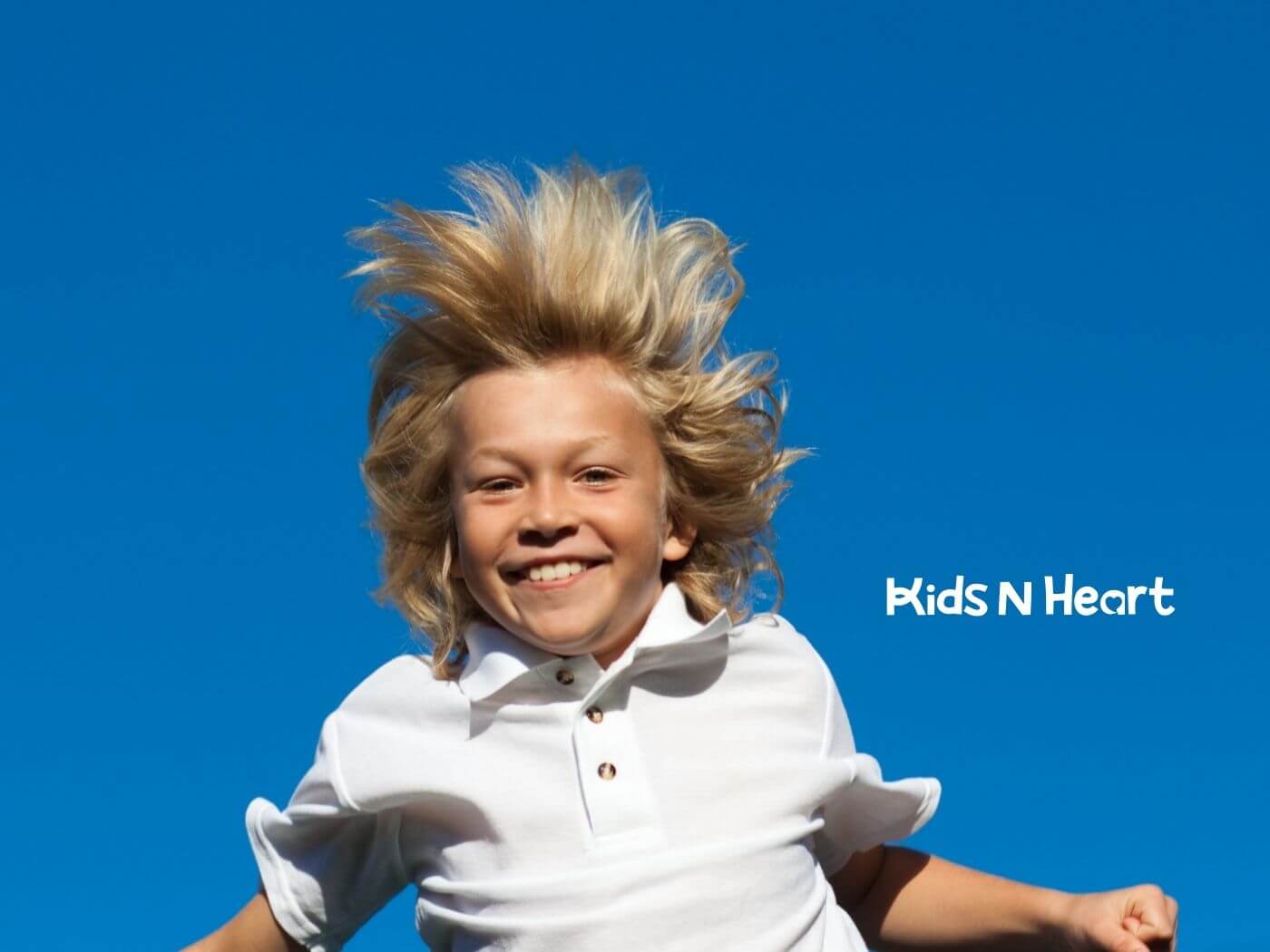
When autistic kids are energetic, it’s rarely random. Their movement usually serves a purpose, even if it doesn’t look that way at first.
Many autistic children experience the world more intensely. Sounds, lights, textures, and movement all hit differently, which can lead to higher activity levels. What looks like “too much energy” is often a child trying to regulate their body and emotions.
Understanding this helps parents respond with support instead of frustration.
Sensory needs play a big role
One of the biggest reasons autistic kids seem energetic is sensory processing. Some kids are sensory-seeking, meaning their bodies crave movement and input.
This may look like:
- Running, jumping, or spinning
- Constant movement or fidgeting
- Difficulty sitting still
- Climbing or crashing into furniture
Movement helps their nervous system feel calm and organized.
Energy can be a form of communication
When autistic children don’t yet have strong communication skills, energy becomes their voice. Pacing, flapping, or bouncing may be how they express excitement, stress, or even happiness.
Instead of asking “How do I stop this?” I encourage families to ask, “What is my child telling me?”
Anxiety and excitement increase activity
Many autistic kids feel emotions very strongly. Excitement, anxiety, or changes in routine can lead to bursts of energy.
Common triggers include:
- Transitions between activities
- New environments
- Crowded or loud spaces
- Anticipation of something fun
Their bodies respond before words do.
Is high energy a bad thing?
Not at all. High energy in autistic kids isn’t something to eliminate — it’s something to guide. With the right supports, that energy can be redirected into healthy routines, play, and learning.
Helpful strategies include:
- Scheduled movement breaks
- Sensory activities like jumping or heavy work
- Clear routines and expectations
- Teaching self-regulation skills over time
When kids feel understood, their energy becomes easier to manage.
How ABA therapy can help
ABA therapy supports autistic children by teaching self-regulation, communication, and coping skills in ways that fit their needs. Instead of trying to suppress energy, we focus on helping kids use it safely and purposefully.
At Kids N Heart ABA, we work closely with families across North Carolina to support high-energy behaviors in real-life settings.
We offer:
- In-home ABA therapy to support routines and regulation at home
- School-based ABA therapy to help kids succeed in the classroom
- Telehealth ABA services for flexible parent coaching and support
If you’re in North Carolina and want help understanding your child’s energy and behavior, reach out today. We’d love to support your family.
FAQs
Is it normal for autistic kids to have a lot of energy?
Yes. Many autistic children have higher energy levels due to sensory needs and emotional regulation differences.
Does high energy mean ADHD or behavior problems?
Not always. While some kids have both autism and ADHD, high energy alone is often linked to sensory processing or communication needs.
Can ABA therapy help an autistic child with high energy?
Yes. ABA therapy can teach self-regulation skills and help children channel energy in safe, functional ways.
Sources:
- https://autismunderstood.co.uk/health-and-wellbeing/managing-your-brains-energy/
- https://www.autismparentingmagazine.com/hyperactive-energetic-enthusiastic-supporting-reframe/
- https://pmc.ncbi.nlm.nih.gov/articles/PMC9292567/
- https://www.sciencedirect.com/science/article/abs/pii/S0278584699000226
- https://www.frontiersin.org/journals/human-neuroscience/articles/10.3389/fnhum.2014.00034/full
- Tags:
- autism