What Does “Sixth Sense” Mean?
When people talk about a “sixth sense,” they often mean an ability beyond the usual five senses — like intuition, telepathy, or extrasensory perception. In the context of autism, this idea is sometimes used to describe heightened sensitivities or strong intuition. But scientifically, there’s no accepted evidence that autistic people possess a supernatural sixth sense.
Sensory Processing in Autism
Hyper- and Hypo-Sensitivity
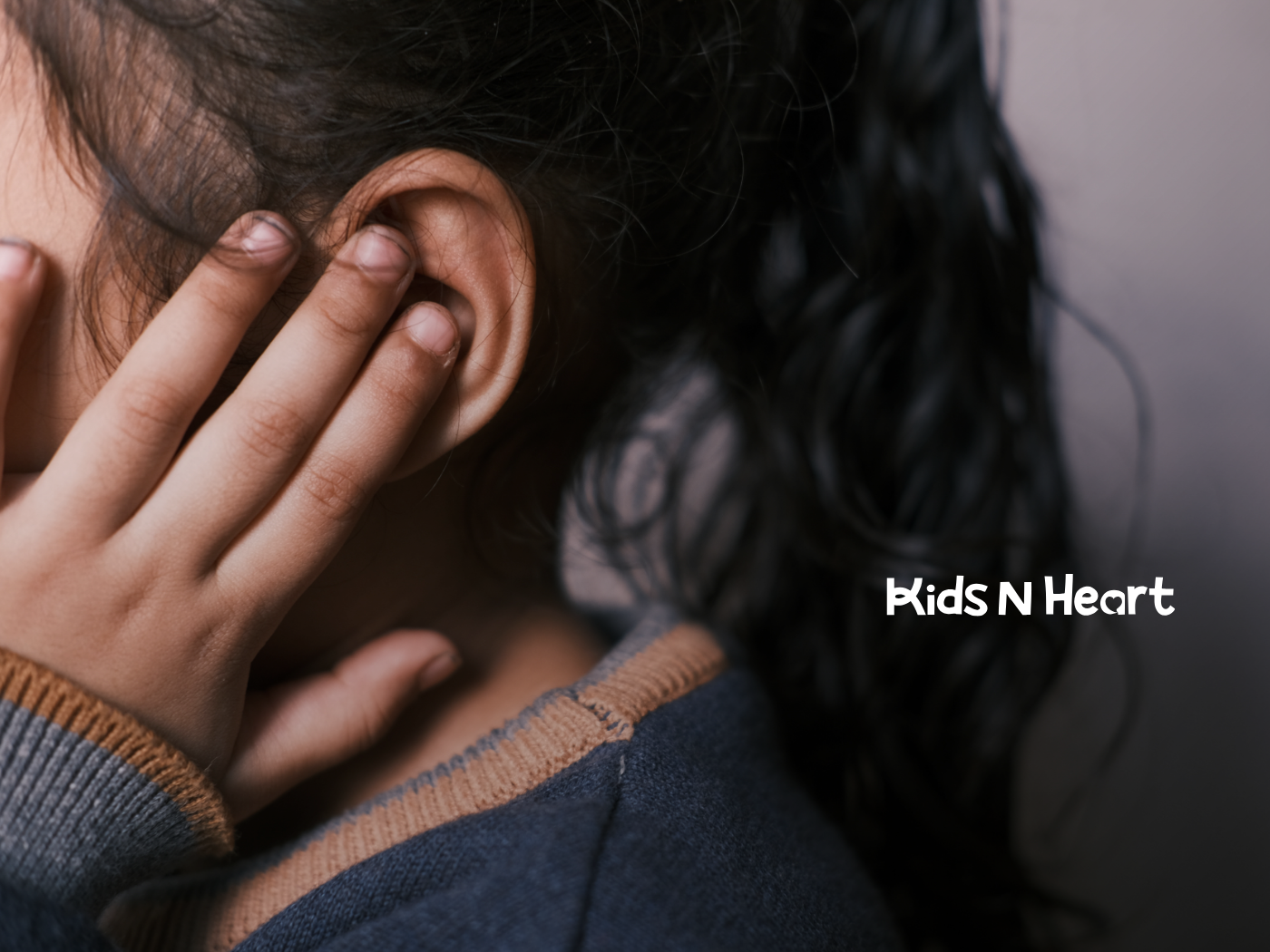
One of the clearest findings in autism research is that many autistic individuals experience atypical sensory responses — either heightened sensitivity (hyper-responsivity) or reduced sensitivity (hypo-responsivity) to stimuli like sound, light, touch, or smell. For example, some may be extremely sensitive to loud noises or textures that most people don’t notice.
These sensory differences relate to neural processing and how the brain filters or prioritizes stimuli, not to paranormal abilities.
Autistic Intuition: What People Report
Some autistic individuals and communities describe what they call “autistic intuition” — the ability to pick up on subtle patterns, cues, or shifts in the environment that others may miss. These experiences are often tied to heightened sensory sensitivity or deep attention to detail, rather than a distinct extra sense.
However, such reports are largely anecdotal, and rigorous scientific studies have not confirmed the existence of a true sixth sense in autism.
What the Research Says (and Doesn’t)
- There is no scientific consensus that autistic people have a supernatural sixth sense.
- Studies consistently show sensory processing differences in autism (about 90% of autistic individuals show atypical responses)
- Research into intuition, pattern recognition, and cognitive traits (analytic vs. intuitive thinking) suggests autistic individuals may rely more on analytic reasoning over intuitive responses in some tasks.
- Extraordinary claims about telepathy or mind reading in autism have been publicized (e.g. “Telepathy Tapes”), but these claims remain controversial and lack robust scientific support.
Conclusion
The idea of “autistic intuition” or a so-called “sixth sense” is best understood through the lens of sensory processing. Research shows that many autistic individuals experience the world differently — noticing details, patterns, and subtle cues that others may overlook. These sensory differences aren’t supernatural, but they do highlight the incredible diversity in how autistic people perceive and interact with their surroundings. By understanding sensory processing, caregivers and professionals can better support individuals with autism in managing sensitivities and using their strengths to navigate daily life.
At Kids N Heart ABA, we believe every child’s perception of the world is a strength waiting to be understood. As North Carolina’s leading ABA therapy provider, our team specializes in helping children with autism build comfort and confidence through evidence-based, personalized care. We focus on sensory awareness, communication, and emotional regulation — transforming everyday experiences into meaningful learning opportunities. Our compassionate therapists work closely with families to understand each child’s unique way of sensing the world, creating a calm and supportive environment for growth. With Kids N Heart ABA, your child’s differences aren’t just supported — they’re celebrated as part of what makes them truly exceptional.
FAQs
Q: Do all autistic people claim to have a sixth sense?
A: No — many do not. The idea of a sixth sense is more common in anecdotal accounts, and not everyone experiences or describes awareness in that way.
Q: Could “sixth sense” reports be explained by heightened sensitivity?
A: Yes. Many of the phenomena described as a “sixth sense” may result from stronger sensory perception, pattern recognition, or attention to detail rather than paranormal ability.
Q: Has any scientific study proven a sixth sense in autism?
A: No. So far, no peer-reviewed research definitively supports a supernatural “sixth sense” in autistic individuals.
Q: Is it harmful to believe in a sixth sense?
A: Belief itself isn’t inherently harmful, but it’s important to distinguish between claims supported by evidence and those without. Relying on unsupported claims may distract from practical support, therapies, and evidence-based interventions.
Q: How can we support someone who says they “feel things more”?
A: Acknowledge their experience. Use sensory supports (noise reduction, visual breaks, calm environments), help them build self-regulation strategies, and partner with qualified professionals (e.g. occupational therapists, behavior analysts) who understand sensory processing differences.
–
Sources:
- https://www.autismspeaks.org/what-autism
- https://www.arksc.org/blog/what-is-sensory-processing
- https://www.autismspeaks.org/applied-behavior-analysis