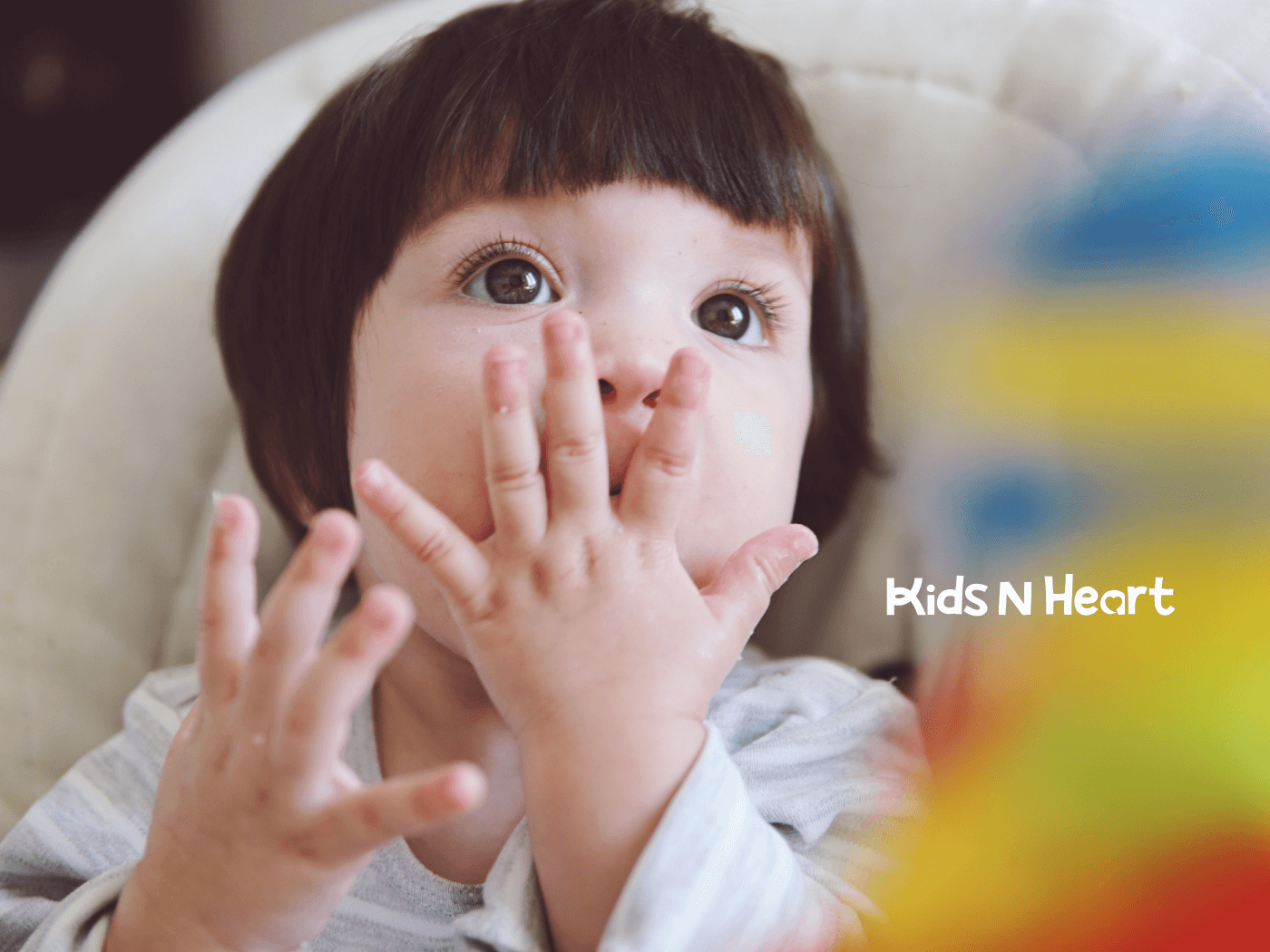
Recognizing Early Signs
Identifying the early signs of autism is crucial for timely intervention and support. These signs can vary between young children and older children, and recognizing them can help in seeking an early diagnosis.
Signs in Young Children
In young children, early signs of autism may become apparent within the first few years of life. Some children may show signs as early as 12 months, while others may not exhibit noticeable symptoms until 24 months or later. Key indicators to watch for include:
- Lack of eye contact
- Not smiling at others
- Delayed speech development
The American Academy of Pediatrics (AAP) recommends that all children be screened for autism at ages 18 months and 24 months, in addition to regular developmental and behavioral screenings during well-child visits at 9 months, 18 months, and 30 months.
| Age | Potential Signs of Autism |
| 6 months | Limited or no eye contact |
| 9 months | Lack of shared sounds, smiles, or other facial expressions |
| 12 months | No babbling or use of gestures (e.g., pointing, waving) |
| 16 months | No spoken words |
| 24 months | No meaningful two-word phrases |
For more information on the autism spectrum disorder, visit our detailed guide.
Signs in Older Children
As children grow older, the signs of autism may become more pronounced and can manifest in different ways. In older children, these signs often include:
- Difficulties with understanding other people’s emotions
- Challenges with making and maintaining friendships
- Preference for routines and repetitive activities
These behaviors can impact a child’s social interactions and daily functioning. It’s important for parents, educators, and healthcare professionals to be aware of these signs to provide appropriate support and interventions.
| Age Group | Potential Signs of Autism |
| Preschool (3-5 years) | Difficulty playing with peers, limited imaginative play |
| Elementary School (6-12 years) | Struggles with social cues, preference for solitary activities |
| Adolescence (13-18 years) | Difficulty with peer relationships, rigid adherence to routines |
Understanding these early signs can help in seeking a timely diagnosis and accessing necessary resources. For more details on the autism diagnosis criteria, refer to our comprehensive article.
Recognizing the early signs of autism is the first step towards providing the necessary support and interventions for children with autism spectrum disorder. By being vigilant and informed, parents and caregivers can make a significant difference in the lives of these children.
Gender Differences
Understanding the gender differences in autism spectrum disorder (ASD) is crucial for recognizing the early signs of autism in both boys and girls. This section explores how autism presents in girls and the concept of masking symptoms.
Autism in Girls
Autism can sometimes present differently in girls compared to boys, making it harder to identify in girls. Girls with autism may exhibit behaviors that are less overt and more socially acceptable, which can lead to underdiagnosis or misdiagnosis. According to the NHS, autistic girls may engage in social mimicry, camouflaging, and internalizing difficulties, which can mask their symptoms.
| Behavior | Boys | Girls |
| Social Interactions | More likely to be visibly withdrawn | May mimic peers to fit in |
| Interests | Often have intense, focused interests | Interests may be more socially acceptable |
| Communication | More likely to have noticeable speech delays | May have subtle communication difficulties |
Girls with autism may also display a preference for routine and have specific interests, but these interests might align more closely with those of their peers, making them less noticeable. Additionally, girls are often better at masking their difficulties, which can delay diagnosis and intervention.
Masking Symptoms
Masking symptoms, also known as camouflaging, is a common behavior among autistic girls. This involves consciously or unconsciously hiding their autistic traits to fit in with their peers. Masking can include mimicking social behaviors, suppressing stimming (self-stimulatory behavior), and forcing themselves to make eye contact.
While masking can help autistic girls navigate social situations, it can also lead to significant internal stress and anxiety. The effort required to maintain this facade can be exhausting and may result in mental health issues such as depression and anxiety.
Recognizing the signs of masking is essential for parents, educators, and healthcare professionals. Some indicators that a child may be masking their symptoms include:
- Excessive fatigue after social interactions
- High levels of anxiety in social settings
- Meltdowns or emotional outbursts at home
- Difficulty maintaining friendships
Understanding these behaviors and seeking a professional evaluation is crucial.
By being aware of the unique ways autism can present in girls and the concept of masking, parents and professionals can better support autistic girls and ensure they receive the appropriate diagnosis and intervention.
Seeking Diagnosis
Importance of Early Diagnosis
Early diagnosis of autism spectrum disorder (ASD) is crucial for several reasons. Identifying the early signs of autism allows for timely intervention, which can significantly improve the developmental outcomes for children. Early intervention can help mitigate some of the challenges associated with autism, such as difficulties in social communication and repetitive behaviors.
Recognizing symptoms early on can also provide parents and caregivers with the necessary resources and support to better understand and manage their child’s condition. According to the CDC, symptoms of autism must be present in the early developmental period, although they may not become fully manifest until social demands exceed limited capacities or may be masked by learned strategies in later life.
Diagnostic Criteria
The Diagnostic and Statistical Manual, Fifth Edition (DSM-5) provides standardized criteria to help diagnose Autism Spectrum Disorder (ASD). The criteria include persistent deficits in social communication and social interaction, as well as restricted, repetitive patterns of behavior. These criteria are essential for professionals to accurately identify and diagnose ASD.
| Diagnostic Criteria | Description |
| Social Communication Deficits | Difficulties in social-emotional reciprocity, nonverbal communicative behaviors, and developing, maintaining, and understanding relationships. |
| Repetitive Behaviors | Stereotyped or repetitive motor movements, insistence on sameness, inflexible adherence to routines, highly restricted interests, and hyper- or hyporeactivity to sensory input. |
Diagnostic tools for assessing ASD in young children rely on two main sources of information: parents’ or caregivers’ descriptions of their child’s development and a professional’s observation of the child’s behavior. No single tool should be used as the sole basis for diagnosis.
Specialists involved in further assessment and diagnosis of ASD may include neurodevelopmental pediatricians, developmental-behavioral pediatricians, child neurologists, geneticists, and early intervention programs that provide assessment services. For more information on the assessment process, refer to our section on specialist involvement.
Understanding the importance of early diagnosis and the diagnostic criteria for autism can empower parents, caregivers, and professionals to take the necessary steps towards effective intervention and support for children with ASD.
Assessment Process
Diagnostic Tools
Specialists use standardized assessments to evaluate autism spectrum disorder (ASD) in children. Two widely recognized tools are the Autism Diagnostic Observation Schedule™ (ADOS™-2) and the Autism Diagnostic Interview™, Revised (ADI™-R). These assessments focus on key areas such as communication, social interaction, play, and restricted and repetitive behaviors.
| Diagnostic Tool | Focus Areas |
| ADOS™-2 | Communication, Social Interaction, Play, Restricted and Repetitive Behaviors |
| ADI™-R | Communication, Social Interaction, Restricted and Repetitive Behaviors |
Diagnostic tools for assessing ASD in young children rely on two main sources of information: parents’ or caregivers’ descriptions of their child’s development and a professional’s observation of the child’s behavior. It is important to note that no single tool should be used as the sole basis for diagnosis.
Specialist Involvement
The assessment and diagnosis of ASD often involve a team of specialists. These may include neurodevelopmental pediatricians, developmental-behavioral pediatricians, child neurologists, geneticists, and early intervention programs that provide assessment services.
| Specialist | Role |
| Neurodevelopmental Pediatrician | Focuses on developmental disorders |
| Developmental-Behavioral Pediatrician | Specializes in behavioral and developmental issues |
| Child Neurologist | Addresses neurological aspects of ASD |
| Geneticist | Evaluates genetic factors |
| Early Intervention Programs | Provide comprehensive assessments and support |
Early diagnosis of autism spectrum disorder is crucial to help families, caregivers, and schools understand the needs of the child. The Child Study Center at Hassenfeld Children’s Hospital at NYU Langone offers expert diagnostic evaluations for children as young as 12 months old through adulthood.
Understanding the autism spectrum disorder and its impact on sensory processing can provide valuable insights into the condition.
Lifelong Impact
Understanding the lifelong impact of autism is crucial for parents, educators, and professionals working with individuals on the autism spectrum. Autism is a complex and multifaceted condition that affects each person differently.
Spectrum Continuum
Autism is considered a spectrum disorder, meaning that symptoms and variations occur along a continuum. This spectrum ranges from individuals with average or above-average cognitive and language abilities to those who may be more severely impaired. Some children with autism exhibit speech delays, limited facial expressions, and a preoccupation with specific interests.
| Spectrum Level | Characteristics |
| High-Functioning Autism | Average or above-average cognitive abilities, strong language skills, specific interests |
| Moderate Autism | Speech delays, limited social interactions, repetitive behaviors |
| Severe Autism | Significant speech delays, limited facial expressions, intense focus on specific interests |
Symptoms of autism must cause clinically significant impairment in social, occupational, or other important areas of current functioning. These disturbances should not be better explained by intellectual disability or global developmental delay.
Cognitive Variances
Cognitive abilities in individuals with autism can vary widely. Some children with autism have average or above-average intelligence, while others may have intellectual disabilities. These cognitive variances can impact how individuals with autism process information, communicate, and interact with others.
Children with autism may exhibit behaviors such as lack of eye contact, poor social interactions, preference for being alone, and limited or nonexistent imaginative play. These behaviors can affect their ability to form relationships and succeed in academic and social settings.
| Cognitive Level | Characteristics |
| Above-Average Intelligence | Strong problem-solving skills, advanced language abilities, specific talents |
| Average Intelligence | Typical cognitive abilities, may struggle with social interactions and communication |
| Intellectual Disability | Delayed cognitive development, challenges with daily living skills, need for additional support |
Understanding the cognitive variances in individuals with autism is essential for providing appropriate support and interventions. Early diagnosis and intervention can have a significant positive impact on the developmental trajectory of children with autism.
By recognizing the spectrum continuum and cognitive variances, parents, educators, and professionals can better support individuals with autism throughout their lives.
Early Intervention
Early intervention is crucial for children diagnosed with autism spectrum disorder (ASD). It involves providing specialized support and therapies at a young age to help children develop essential skills and improve their overall quality of life.
Benefits of Early Intervention
Early interventions occur at or before preschool age, as early as 2 or 3 years of age, taking advantage of the brain’s plasticity at this young age for more effective treatments in the longer term. Research shows that early diagnosis and interventions for autism are more likely to have major long-term positive effects on symptoms and later skills.
Some of the key benefits of early intervention include:
- Improved Communication Skills: Early intervention can help children develop better verbal and non-verbal communication skills.
- Enhanced Social Interaction: Children learn to interact more effectively with peers and adults.
- Reduced Behavioral Issues: Early support can address and mitigate challenging behaviors.
- Better Academic Performance: Early intervention can lead to improved learning and academic success.
With early intervention, some children with autism make significant progress to the extent that they are no longer on the autism spectrum when they are older.
State Programs
Each state in the U.S. has its own early intervention program for children from birth to age 2 years who are diagnosed with developmental delays or disabilities, including ASD, as specified by Part C of Public Law 108-77: Individuals with Disabilities Education Improvement Act (2004).
These state programs typically offer:
- Developmental Screenings: Regular assessments to identify developmental delays early.
- Individualized Family Service Plans (IFSP): Customized plans that outline specific services and support for the child and family.
- Therapies: Services such as speech therapy, occupational therapy, and behavioral therapy.
- Family Support: Resources and training for families to help them support their child’s development.
Conclusion
Recognizing the early signs of autism, understanding how those signs can vary by age and gender, and seeking a timely diagnosis are critical steps in supporting children with Autism Spectrum Disorder (ASD). Autism presents along a broad spectrum, with each child showing a unique combination of strengths, challenges, and developmental needs. Awareness of early indicators, especially those that may be more subtle or masked, such as in girls can help parents, educators, and healthcare professionals take action sooner rather than later.
Early and accurate diagnosis opens the door to meaningful intervention. Through comprehensive assessments and collaboration with qualified specialists, families can gain clarity, guidance, and access to vital resources. Most importantly, early intervention during the brain’s most adaptable years can significantly improve communication, social skills, learning outcomes, and overall quality of life.
While autism is a lifelong condition, early support lays a strong foundation for long-term growth and independence. By staying informed, proactive, and connected to appropriate services, families and professionals can empower children with autism to reach their full potential today and throughout their lives.
At Kids N Heart, we believe that recognizing the early signs of autism and acting quickly can change the trajectory of a child’s life. Our team of dedicated BCBAs and RBTs provides compassionate, evidence-based ABA therapy in North Carolina that is designed to meet each child’s unique needs. From early diagnosis to ongoing support, we partner with parents, educators, and professionals to build communication, social skills, and independence.
Begin your child’s journey toward growth, confidence, and lifelong success. Contact us today!
Frequently Asked Questions
What are the early signs of autism in children?
Early signs may include delayed speech, limited eye contact, repetitive behaviors, and challenges with social interaction.
Why is early diagnosis and intervention important for autism?
Early intervention during the brain’s most adaptable years can significantly improve communication, learning, and independence.
How does ABA therapy help children with autism?
ABA therapy uses structured, evidence-based strategies to build skills, reduce challenging behaviors, and support long-term growth.
SOURCES:
https://www.nhs.uk/conditions/autism/signs/children/
https://www.cdc.gov/autism/hcp/diagnosis/index.html
https://nyulangone.org/conditions/autism-spectrum-disorder-in-children/diagnosis
http://www.nichd.nih.gov/health/topics/autism/conditioninfo/treatments/early-intervention
https://www.autismspeaks.org/signs-autism
https://autismsa.org.au/autism-diagnosis/autism-symptoms/signs-of-autism-in-babies/