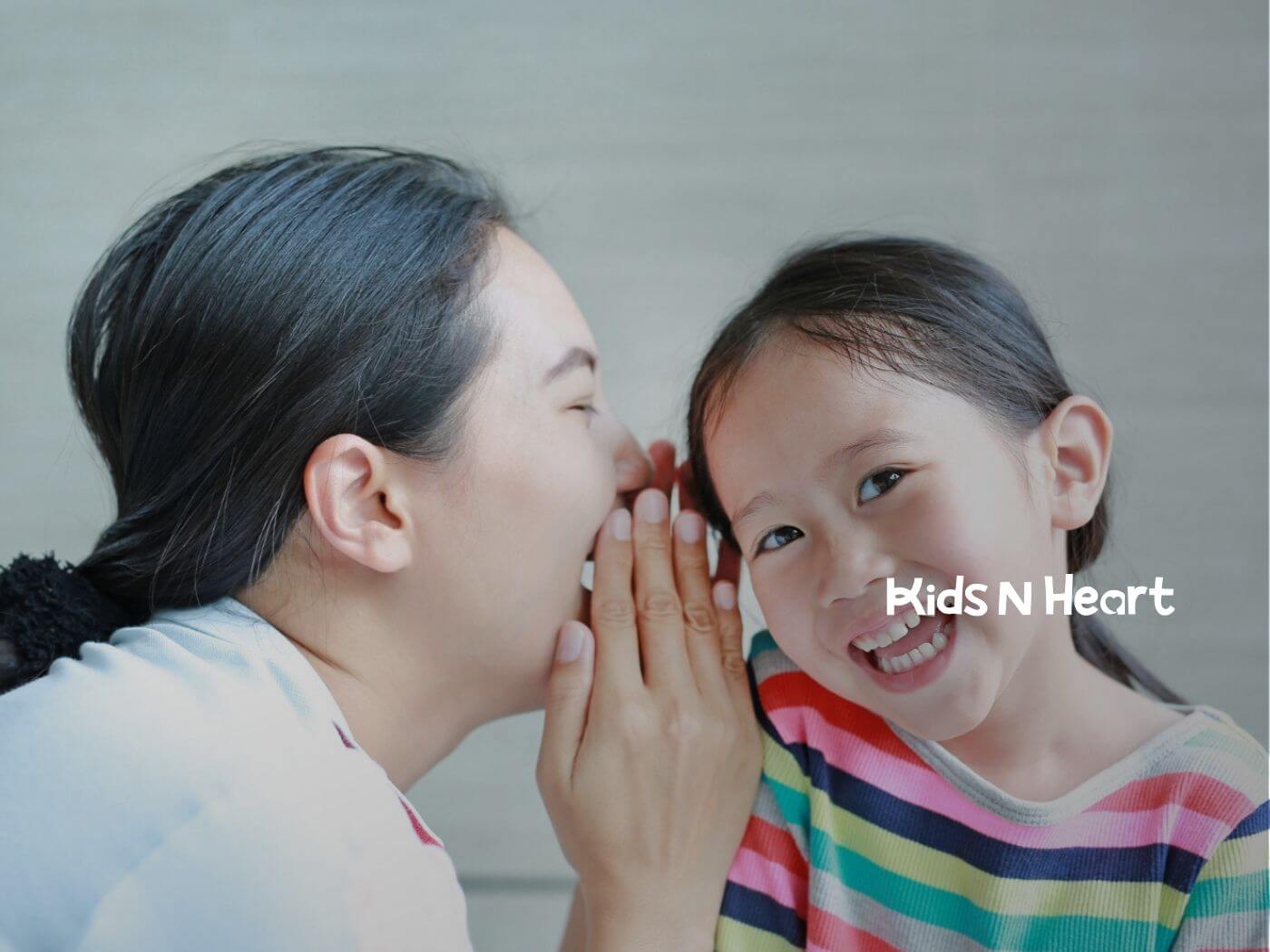
If you’ve ever tried calling your child’s name and felt like they just don’t hear you, you’re not alone. For many parents and caregivers of children with autism, getting and keeping attention can feel like a challenge. But it’s not that autistic individuals are ignoring you—it’s often that their brains process the world differently.
With patience, understanding, and the right approach, it is absolutely possible to connect and capture attention in positive, meaningful ways.
Why Attention Can Be Difficult in Autism
Sensory Processing Differences
For many autistic people, sensory experiences—like noise, lights, or touch—are processed more intensely. Imagine trying to listen to someone while fireworks go off in the background. That’s how daily environments can sometimes feel, making it difficult to tune in to a voice or gesture.
Hyperfocus on Interests
Another common reason is hyperfocus. Children and adults with autism often get deeply absorbed in activities or interests they love, whether it’s building with blocks, drawing, or talking about a favorite topic. When their mind is fully engaged, shifting gears takes extra effort.
Social Communication Differences
Typical social cues—like eye contact, waving, or calling a name—don’t always work the same way for people with autism. Some may not naturally interpret these cues as a “signal” to pay attention. This doesn’t mean they aren’t interested; it simply means attention is expressed differently.
Effective Strategies for Gaining Attention
Call Their Name with Care
Start with their name, spoken calmly and clearly. A soft, steady tone is often more effective than raising your voice, which can feel overwhelming.
Example: Instead of “JASON! Come here right now!” try “Jason, can you look at me?” in a steady, calm tone.
Minimize Distractions First
Before trying to engage, check the environment. If the TV is on, toys are scattered, or there’s a lot of background noise, attention will be harder to get. Reducing distractions helps the person process your voice or signal more easily.
Pair Words with Visual Cues
Visuals often make communication clearer. You can use gestures, picture cards, or even point to objects. Many children respond well to schedules, charts, or other structured visuals that show what’s happening next.
Light Touch or Movement Cues
For some children, a gentle tap on the table near them or moving an object into their field of vision helps signal that you’re trying to connect. Always avoid sudden or unexpected touch, as it may feel uncomfortable.
Give Extra Processing Time
After calling their name or giving a cue, wait several seconds. Many autistic people need more time to shift focus and respond. Repeating too quickly can create stress or confusion.
Building Connection Through Interests
Use Their Favorite Activities
If your autistic child loves trains, start a conversation around trains before moving to another topic. Tapping into their interests helps capture attention and shows respect for what matters to them.
Reward and Encourage Attention
When your child responds, even in small ways, celebrate it. A smile, kind words, or giving access to a favorite toy reinforces the idea that responding to attention can be a positive experience.
What to Avoid
Don’t Force Eye Contact
Forcing eye contact can feel stressful or even painful for some autistic individuals. Focus instead on other signs of attention, like body orientation, gestures, or verbal responses.
Don’t Overwhelm with Too Many Words
Long explanations or rapid instructions can be hard to process. Keep requests short, clear, and direct.
Don’t Interrupt During Overload
If your child is already overwhelmed or in the middle of a meltdown, trying to force attention will likely backfire. Wait until they are calm and ready to engage.
Helping Attention Grow Over Time
Practice in Small Steps
Start with brief attention—like responding to their name once—and gradually increase expectations. Over time, this builds stronger attention skills without pressure.
Be Consistent
Use the same cues or approaches regularly. Consistency helps the brain learn patterns and makes it easier for the child to respond over time.
Create Predictable Routines
Predictability helps reduce stress. When children know what to expect, it’s easier to give attention because their brain isn’t working as hard to process surprises.
Support for Families
Gaining the attention of someone with autism takes patience, respect, and a willingness to adapt. It’s not about being louder or more forceful—it’s about understanding how they experience the world and meeting them where they are. With the right strategies, connections can become smoother, less stressful, and far more rewarding.
At Kids N Heart, we understand how important these everyday moments of connection are. Our ABA therapy services in North Carolina are designed to help children build focus, communication, and confidence at their own pace. We proudly offer:
- In-home ABA therapy for learning in the comfort of your child’s space.
- School-based ABA therapy to support attention and engagement in the classroom.
- Telehealth ABA for flexible, convenient care from home.
If your child struggles with attention, Kids N Heart is here to help. Contact us today and let’s build a plan that supports your child’s growth every step of the way.
FAQs
1. Why is it hard to get an autistic child’s attention?
Autistic children may experience sensory overload or hyperfocus, making it harder to notice social cues right away.
2. How can I gently get my child’s attention
Use their name calmly, reduce distractions, add visual cues, and give extra time for processing before repeating.
3. Should I force eye contact to get attention?
No. Eye contact can be uncomfortable for many autistic individuals. Focus on other signs of attention, like body orientation or responses.
Sources:
- https://www.autismspeaks.org/sensory-issues
- https://www.autism.org.uk/advice-and-guidance/topics/sensory-differences/sensory-differences/all-audiences
- https://pmc.ncbi.nlm.nih.gov/articles/PMC7003152/
- https://www.autism.org.uk/advice-and-guidance/topics/about-autism/autism-and-communication
- https://www.nature.com/articles/s41598-017-14632-1