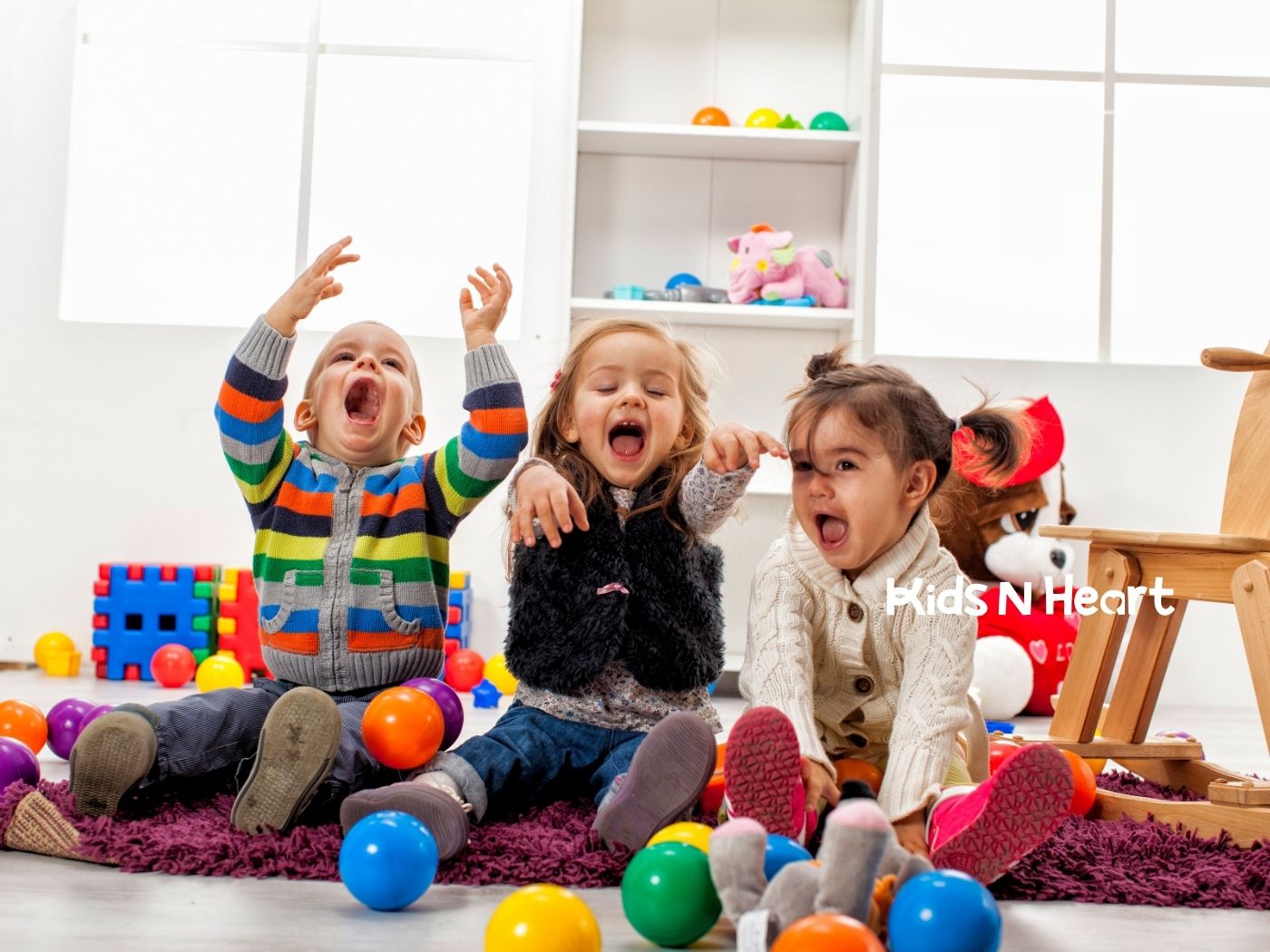
Autistic children often play differently than their peers because of sensory sensitivities and social communication challenges. They may prefer solitary or parallel play, focusing intensely on objects or specific activities rather than group games.
Many autistic kids engage in repetitive or sensory-seeking play, like lining up toys, spinning, or exploring textures. Their play might include less pretending or imaginative role-play, as they tend to be more concrete thinkers.
Social play such as turn-taking and sharing can be difficult due to challenges reading social cues and body language. However, these skills can be developed gradually with support.
Structured play that respects their interests and sensory needs helps build skills, creativity, and social connections. Using sensory-friendly toys, mimicking their focus, and gently encouraging interaction are effective approaches.
At Kids n Heart ABA in North Carolina, we help children develop healthy play skills tailored to their unique needs. Call us today to schedule a consultation and enhance your child’s play and social abilities.
FAQs
Q: Do autistic children enjoy playing with others?
A: Many prefer solitary or parallel play but can learn social play skills.
Q: Why do autistic kids repeat certain play behaviors?
A: Repetitive play can be soothing and meet sensory needs.
Q: How can parents encourage social play?
A: Use structured activities, follow their interests, and model turn-taking.
Sources: