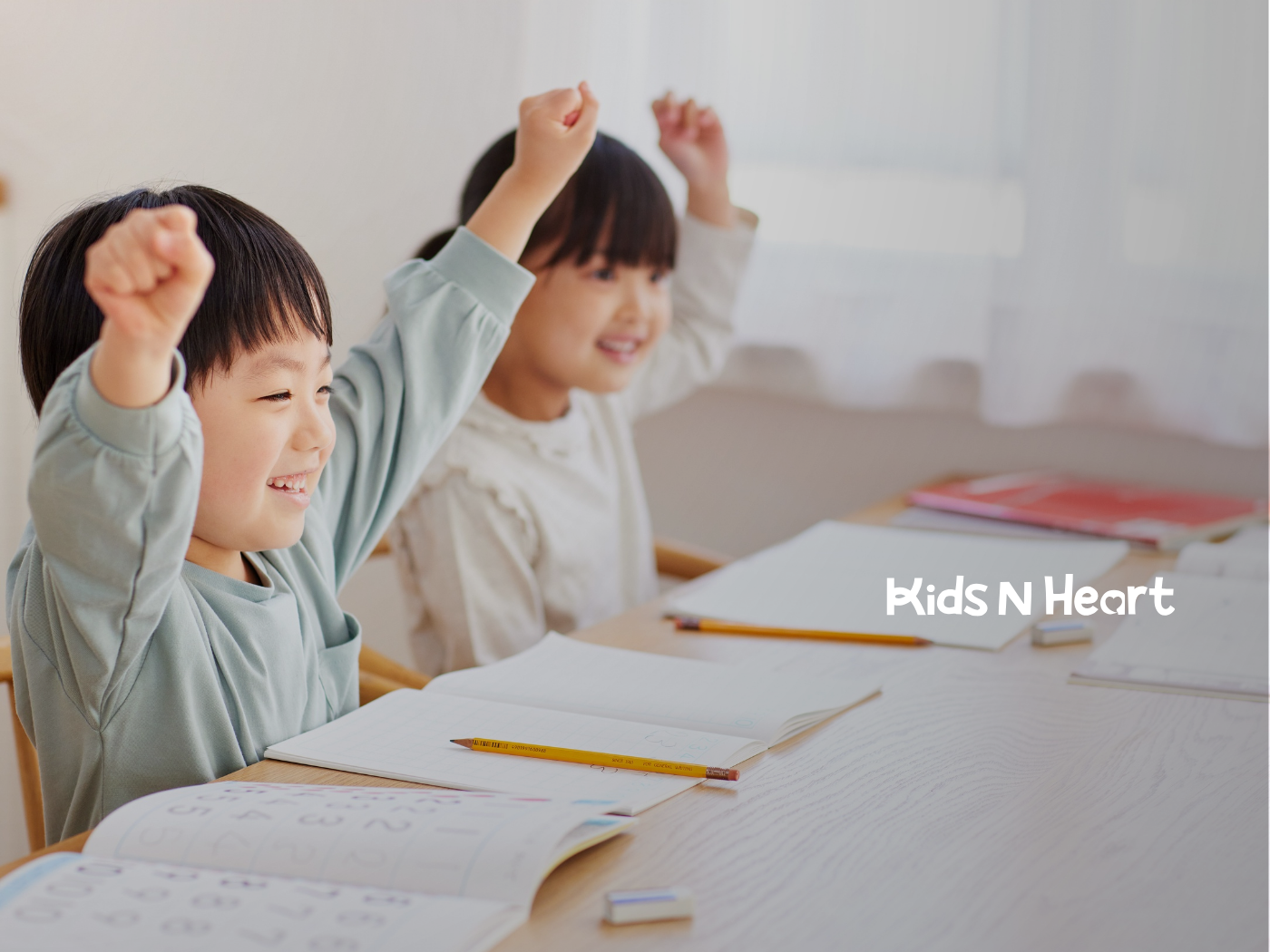
Parents often wonder how to teach an autistic child a second language without overwhelming them. The good news is that autistic children are fully capable of learning another language, especially when strategies are tailored to their learning style.
One effective method is to use visual supports, such as flashcards, picture books, or interactive apps, to connect words with images. Repetition and consistency are also key—introducing the second language in daily routines, like mealtime or play, helps reinforce learning naturally.
Social modeling is another powerful tool. Encourage siblings, family members, or peers to use the second language during shared activities. Songs, games, and role-playing can make the process fun and engaging, reducing stress while boosting retention.
It’s important to move at the child’s pace. Some children may focus first on single words or short phrases before progressing to sentences. Celebrating small milestones along the way builds confidence and motivation.
At Kids n Heart ABA, we understand that every child’s learning journey is unique. With personalized support, autistic children can thrive in bilingual environments, strengthening not only communication but also social and cognitive skills.
FAQs
Q: Can autistic children learn a second language?
A: Yes, many autistic children can learn a second language, though the pace and approach may vary depending on individual strengths and challenges.
Q: What strategies help autistic children learn another language?
A: Visual aids, repetition, structured routines, and incorporating the new language into daily activities are highly effective.
Q: Will learning two languages confuse my autistic child?
A: Research shows bilingualism does not confuse autistic children. With the right support, it can enhance communication and cognitive flexibility.
- Tags:
- autism