Key Highlights
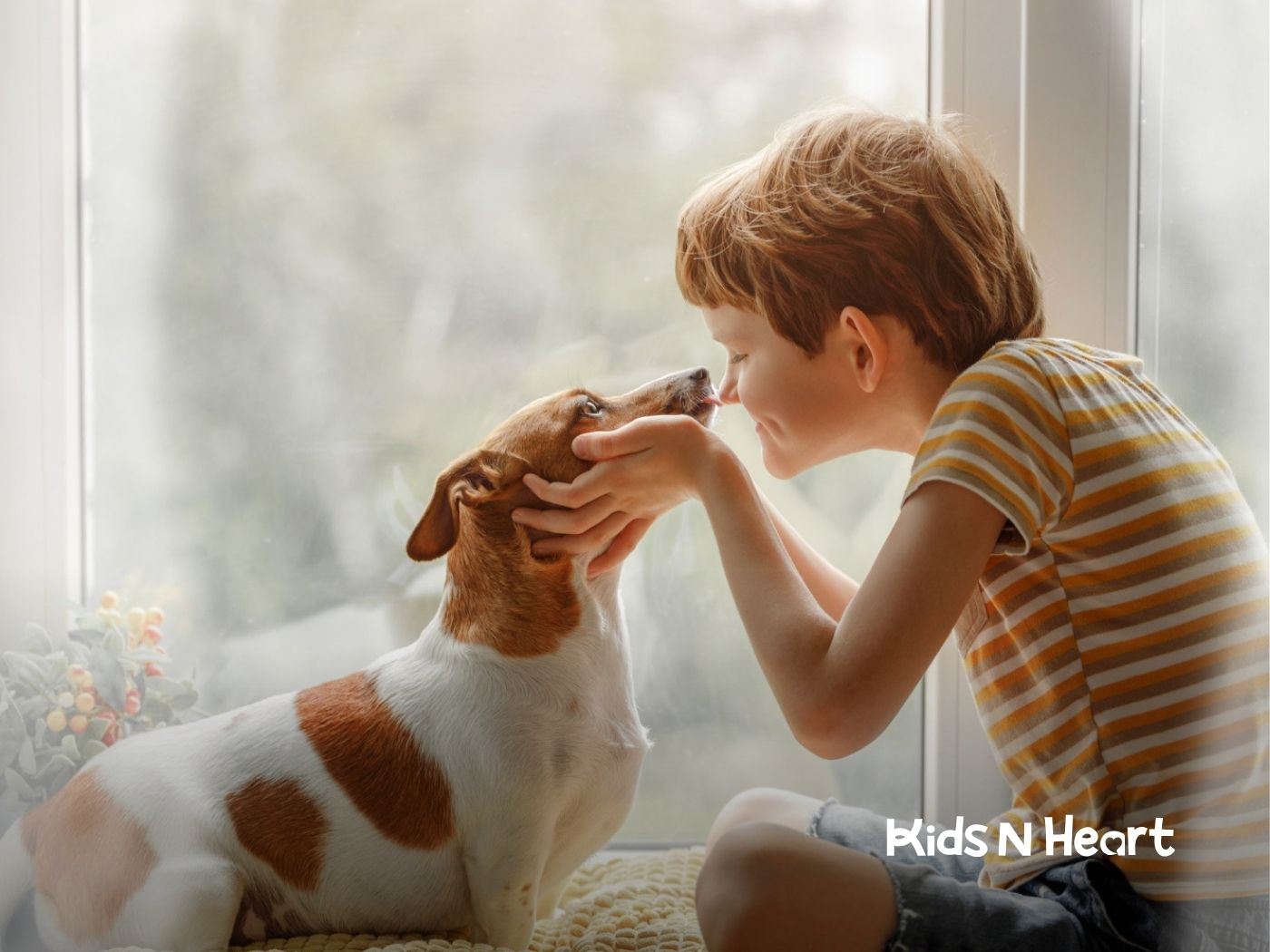
- Pets offer unconditional love and build strong bonds, reducing stress and anxiety in autistic children.
- Dogs, cats, and other animals support emotional development and encourage communication skills.
- Family pets create a routine-led environment, providing stability for children on the autism spectrum.
- Interaction with animals fosters social interaction, helping autistic kids feel relaxed in public places.
- The calming presence of certain animals facilitates emotional regulation during stressful situations.
- Parents must carefully consider their child’s needs and family dynamics before choosing the right pet.
Introduction
In North Carolina, families raising children on the autism spectrum are finding powerful support not only through professional autism services but also through the companionship of the right pet. Whether it’s the gentle calm of a cat or the joyful loyalty of a dog, pets can play a meaningful role in emotional regulation, sensory balance, and social development.
More and more, autism services in North Carolina are recognizing the unique bond between children and animals, offering guidance on how pet ownership can complement therapeutic goals. Choosing a pet isn’t just about having a companion it’s about finding the right emotional support for your child’s growth.
Best Pets For Autistic Children
The right pet can provide great help for autistic children. They can offer emotional support and a calming influence. Pets can be trusted friends, helping kids deal with new social situations or stress. Parents of autistic children should think about which pet fits their child’s preferences and family needs.
There are many pet options to choose from. Loyal dogs can be great companions. Calming fish can also make a nice addition. Each pet has its own special traits that help with the different challenges children on the autism spectrum face.
Let’s look at some popular choices.
1. Dogs – Emotional Support and Companionship
Dogs are known for their emotional support and for being strong companions. Their unconditional love helps autistic kids handle social interaction and encourages them to manage their emotions during tough times. Many dogs can be trained as service dogs. They can apply gentle pressure to help calm anxiety or stop harmful actions during meltdowns.
Petting a dog can provide sensory benefits. This includes lower blood pressure and less overall anxiety. Dogs are also great for non-verbal communication. They use signs like wagging tails or gentle nudges to build bonds with children who find it hard to connect with others.
Loyal, loving, and playful, dogs easily fit into family life. Their friendly nature brings comfort during stressful moments or changes. If your child has sensory issues, a dog could be the support they need to grow emotionally and socially.
2. Cats – Calming Presence, Low Maintenance
Cats provide a soft and calming presence, making them perfect for children on the autism spectrum who need a relaxing influence. They require little care, which is great for families with busy schedules. Their independent nature allows autistic children to enjoy companionship without too much energy.
Key benefits of cats include:
- Offering a calming influence with their soft purring sounds.
- Helping with sensory regulation through their gentle touch.
- Building trust by giving unconditional love and loyalty.
Adult cats that have steady temperaments create a quiet and stable environment. This is especially helpful for kids with sensory issues. They offer consistent, low-stress interaction for autistic children who find social situations hard to navigate.
If your child needs a calming influence without much fuss, getting a cat can create a strong and positive bond. Their gentle actions and loving nature help improve emotional well-being.
3. Rabbits – Gentle and Quiet
Rabbits are loved for their soft presence and quiet ways. They can help a child with autism feel calm and relaxed. Their fine fur helps lower stress when emotions run high, giving sensory touch benefits.
Rabbits are great pets for kids with sensory issues. They do well in quiet places, which keeps kids from feeling too overwhelmed. When children care for a rabbit, they can learn empathy and responsibility.
The soft sounds of rabbits and their soothing nature help create good interactions, especially during tough times. Rabbits are perfect for families looking for a pet that supports gentle play and calm surroundings. They can help children on the autism spectrum find emotional balance.
4. Guinea Pigs – Small and Manageable
Guinea pigs are loved because they are small and easy to care for. They are friendly and promote social interaction, which helps autistic children feel safe and calm.
Their tiny size and gentle nature meet the sensory needs of children on the autism spectrum. Petting guinea pigs can help with sensory regulation and reduce stress, making them great for kids who might feel overwhelmed in new places.
Guinea pigs enjoy playing, which helps kids grow emotionally. Engaging with them can lead to fun activities. Their positive impact is felt at home and in social situations, making them a good choice for families looking for a dependable pet for their autistic child.
5. Fish – Soothing Visual Stimulus
Fish can bring a calming feeling to our lives with their gentle movements and colors. Watching fish swim in the water can help reduce stress. This is especially true for children on the autism spectrum.
Aquariums offer sensory benefits by captivating kids with bright colors, fish movement, and soft water sounds. Taking care of fish is a simple task that helps teach a sense of responsibility. It also encourages positive reinforcement, which can create stability and help autistic children feel better emotionally.
As fish float quietly in their tank, they encourage careful watching, especially during tough times. Their peaceful nature matches the mental health needs of families facing challenges with autism. If your child thrives in a calm setting, bringing fish into your home could be a great choice.
6. Birds – Social Interaction and Vocal Stimulation
Birds are colorful friends that provide sound and social interaction for autistic children. Their happy chirping helps kids focus on calming sounds when they feel stressed.
Birds support friendly behavior with sounds and fun communication. Talking or whistling parrots encourage kids to interact, which can help improve their communication skills if they have trouble speaking.
For families using space wisely, birds are simple to care for. Their bright feathers catch people’s eyes and create peaceful moments in busy family life. Birds make great companions for children learning to interact and communicate and can bring joy to your home.
7. Hamsters – Easy to Care For, Space-Efficient
Hamsters are loved pets because they are easy to take care of and do not need a lot of space. They make great pets for families with limited room. Their playful and low-maintenance nature helps create a smooth routine for autistic children.
These little animals do not need much interaction, which lets children watch their fun behaviors safely in their cage. Taking care of a hamster is simple, helping kids learn responsibility without putting too much pressure on parents or children. Hamsters also provide sensory benefits due to their soft fur, which can be calming during anxious times.
If you need a pet that is good for small spaces and easy to care for, a hamster could be a wonderful choice. They can offer companionship and comfort to your family.
8. Horses – Therapeutic Riding Benefits
Horses can help a lot in therapy. Riding them can really help children with autism manage their emotions. Horses are calm and create a feeling of safety and trust during their time together.
| Therapeutic Benefits | Impact on Autistic Children |
| Sense of security | Builds emotional stability in challenging environments. |
| Physical activity | Improves motor skills and reduces levels of stress. |
| Riding therapy | Encourages independence and self-confidence. |
Being around horses encourages friendly behavior and helps with mental well-being. Horse therapy increases physical activity and improves social skills. It can help children handle social situations better by forming strong bonds.
For families who can join therapeutic riding programs, horses become dependable friends for emotional and developmental growth.
Understanding the Benefits of Pets for Autistic Children
Pets can bring many benefits for children with autism. They help reduce stress and improve how kids respond to their senses. Animals offer steady companionship. They also provide love without conditions, which can be very helpful during tough times.
For example, petting a dog when a child feels upset or watching calm fish in an aquarium can lower anxiety. Pets encourage kids to develop social and communication skills. When families look into pet therapy for their autistic children, they often learn a lot about their child’s growth and development.
Sensory Benefits – Touch and Sound
Sensory interaction with pets can change lives for autistic children. The soft feel of an animal’s fur or the calm sound of a bird helps decrease stress in tough moments.
Pets provide gentle sensory stimulation, making the space easier and less overwhelming for children with autism spectrum disorder. Sounds like a cat purring or water flowing in a fish tank help lower stress levels in kids who are sensitive to sensory input, helping them manage their emotions.
For children facing sensory issues every day, animals are great companions. They offer special sensory experiences to fit their needs.
Development of Social Skills – Sharing and Caring
Pets help autistic children build important social skills like sharing and caring. Things like feeding pets or playing games create emotional bonds. This teaches kids what empathy means.
Animals can also make it easier for children who struggle in social situations. For example, service dogs that provide social support help kids communicate better and feel included.
Whether it’s making friends at the park or starting conversations during family gatherings, pets play a big role in helping social development for autistic children.
Emotional Regulation – Reducing Anxiety and Stress
Animals are very important for relieving anxiety and stress. They help people manage their emotions. For kids dealing with sudden changes or tough days, pets give comfort by helping them feel stable.
The unconditional affection from dogs, cats, and rabbits brings comfort in stressful times. When you interact with pets, your body releases oxytocin. This hormone helps lower blood pressure and keeps heart rates steady, making you feel calm.
If someone has many meltdowns, service pets trained to help in these situations can make things better. They provide more emotional security, which helps caregivers relax more.
How to Choose the Right Pet for Autistic Children
Choosing the right pet for autism is an important decision. You need to think about your child’s needs and how your family works together. Watching what your child likes and how they interact can help you decide which pet may be best for them.
At the same time, it’s important for families to understand if they can take care of a pet without too much stress. The animal’s personality and care requirements play a big role in making this choice. So, it’s essential to think carefully before deciding.
Considering Your Child’s Needs and Preferences
Understanding your child’s needs is important when picking a pet. Does your child like quiet places, or do they enjoy active and playful pets? Watching how they react can help you choose a pet that suits their preferences.
For kids who have trouble with noise, pets like rabbits and fish are calm and soothing. On the other hand, children who like friendly interactions do well with lively pets, such as dogs or chatty birds.
By looking closely at your child’s nature and interests, you can create a strong connection with the right pet.
Assessing Family’s Ability to Provide Care
Taking care of a pet needs more than just love. It needs a commitment from all family members. You should look at your current levels of stress and how flexible your daily routine is. This will help you decide if you can welcome a pet into your home.
Do you have enough money for vet visits and special food? Knowing this is important. It helps keep caregiving smooth without making your schedule too busy.
Families should think about how ready they are to handle the responsibilities of a pet. They also need to see if the pet fits well with the way they live together at home.
Practical Tips for Introducing Pets to Autistic Children
Bringing a pet into a home with an autistic child needs careful thought and planning. Taking small steps can help make things easier and let your child get used to the new family member without stress.
Watching how your child reacts when they first meet the pet is important. This way, you can see if the pet fits their feelings and senses. Using these careful strategies can lead to a happy bond between your child and their pet.
Gradual Introduction Techniques
Slow introductions can help autistic children feel less overwhelmed when they meet new pets. Begin by allowing them to see the pet from a distance or let them quietly watch. This approach can help reduce strong reactions to sensory input.
To make the experience relaxed, get rid of loud noises during time with the pet. Focus on gentle touches that feel nice. Being patient is key and helps children who might be unsure about trying new things.
For the best beginning, let your child watch the pet in a calm way first. Then, slowly increase physical contact. This can help them feel safe and build strong bonds with the pet.
Monitoring and Adjusting Based on Child’s Reaction
Parents are very important in changing how things happen based on how kids react to their senses. Notice the big moments of happiness or unease when meeting for the first time and change how you interact based on that.
Keeping an eye on how kids pay attention in different settings helps with expected growth during interactions. Adding calm water bowls can help reduce frustration when children are not following the rules. This can ease anxieties, which can lead to better outcomes for kids with autism, helping them improve continuously and become more patient in a calm way.
Conclusion
Finding the right family pet for autistic children can change lives. A pet provides emotional support and helps improve the child’s well-being. Each pet offers something special. Guinea pigs can be calming. Service dogs show loyalty, and cheerful pups bring joy with their barks.
By thinking carefully about the child’s needs and likes, you can improve their social skills and communication. This also helps the child feel secure and strengthens loved ones’ bonds. These relationships support their emotional development and benefit family life.
At Kids N Heart, we help families to support their children’s social, emotional, and communication development through individualized ABA therapy in North Carolina. Whether your child is building connections with a family pet, learning to express emotions, or navigating daily routines, our team is here to guide you every step of the way.
Ready to Support Your Child Beyond the Therapy Room? Contact us today!
Frequently Asked Questions
What are the initial steps to take before bringing a pet home?
Before getting a pet, think about what your child needs and likes. Check the pet’s nature and how to take care of it. Also, look at your family’s way of life. Set up a safe area for the pet. Get your child involved in the process to help them adjust better.
How do pets specifically help children with autism?
Pets provide emotional support, help reduce anxiety, and improve social skills for autistic children. Having pets around encourages routines and teaches responsibility. They also help with sensory experiences, creating a safer space for interaction. These advantages can lead to better communication and a healthier life for autistic children.
Are there pets that should be avoided for children with autism?
Some pets might not be good for children with autism. For example, high-energy dogs or aggressive animals can be too much for them. Also, pets that need a lot of care or have health problems may bring more stress instead of comfort and companionship.
What are some signs that the pet is a good match for my child?
Signs that a pet is a good match for your child are its calm behavior, how it responds to love, and its ability to connect with your child’s specific needs. Also, watch how your child plays with the pet. This way, you can be sure they are both comfortable and happy together.
Continuing Support and Education
Support and education are very important for autistic children and their pets. Regular training sessions, social activities, and consistent help can make their connection stronger. This ongoing effort helps keep everyone happy and creates a caring space for all.
Resources and Support Groups for Families
Finding the right resources and support groups can really help families with autistic children. Organizations like Autism Speaks and local community centers provide guidance. They offer activities and help connect parents with each other. This support is key for facing challenges and celebrating successes together.
Sources:
- https://www.kumc.edu/about/news/news-archive/autism-and-pets.html/
- https://pmc.ncbi.nlm.nih.gov/articles/PMC4513200/
- https://www.autismspeaks.org/science-news/autism-and-pets-more-evidence-social-benefits
- https://www.edgehill.ac.uk/news/2022/06/new-research-shows-that-pet-ownership-can-improve-the-lives-of-people-with-autism/
- https://journals.sagepub.com/doi/full/10.1177/10497315241307635