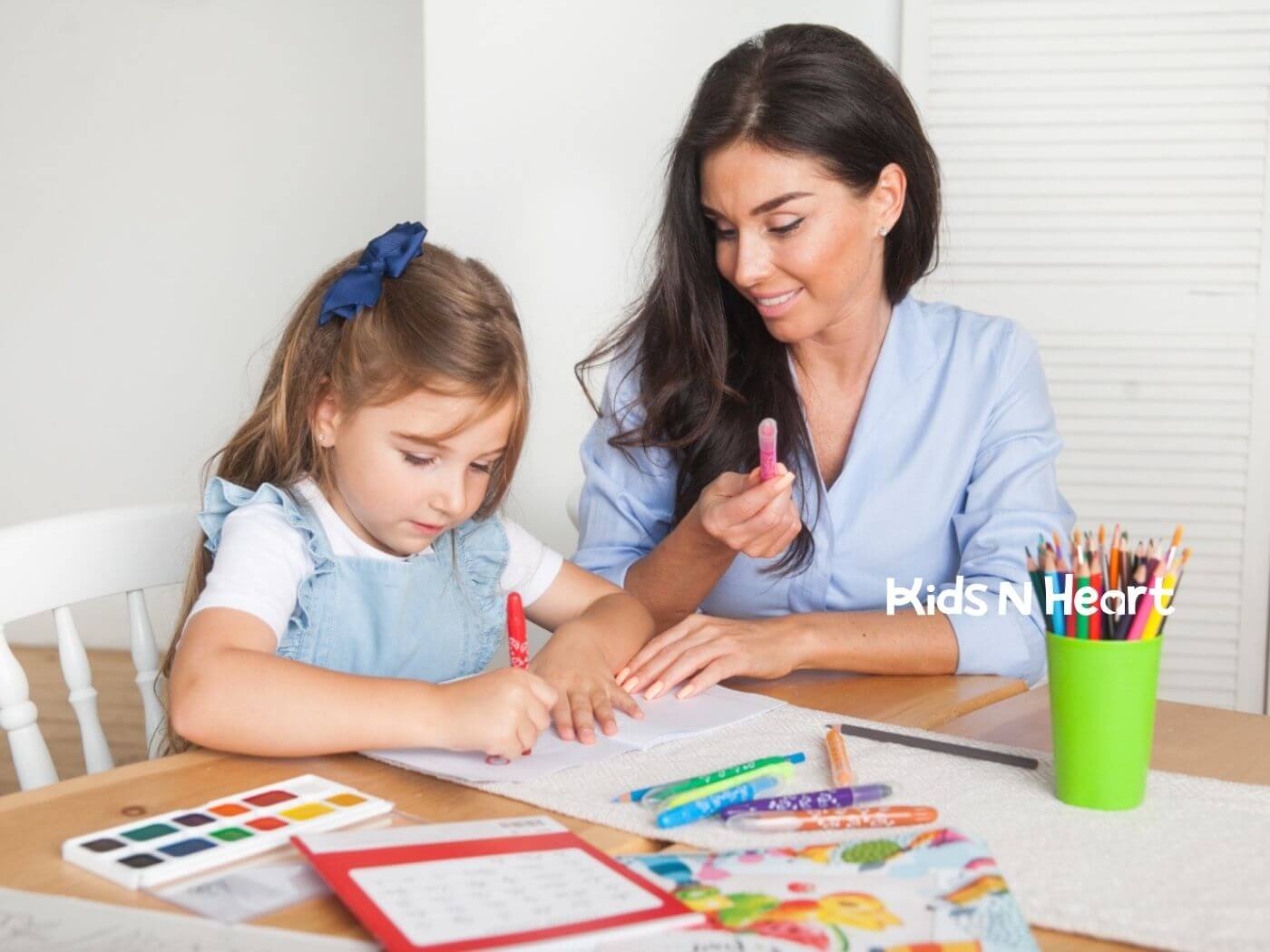
Autistic kids thrive when they have a few essential things in place. The most important things they need are structure, understanding, and tailored support.
Whether it’s a consistent routine, patience from caregivers, or specialized autism therapy, these factors help children with autism feel more secure and set them up for success.
Consistency and Routine
For children with autism, a predictable routine is crucial. A structured daily schedule helps them know what to expect, reducing anxiety and stress. When their day is consistent, they feel more in control and can engage more easily in daily activities. Whether it’s at home or in school, a routine can help your child manage transitions and adapt to new situations more easily.
Understanding and Patience
Autistic children often face challenges with communication, sensory processing, and social interactions. What they need most is patience and understanding from the people around them.
Parents, teachers, and caregivers who are supportive and empathetic can make all the difference in how a child with autism engages with their environment. Being patient and providing a calming environment can help your child feel more comfortable and less overwhelmed.
Tailored Support Through ABA Therapy
Every child with autism is unique, which is why individualized support is so important. This is where ABA therapy for autism can play a key role. Applied Behavior Analysis (ABA) therapy is an evidence-based approach that helps children develop critical skills, including communication, social interaction, and behavior management. By tailoring the therapy to meet each child’s specific needs, ABA provides a more effective path to success.
If you’re in North Carolina and looking for ABA therapy for children, Kids N Heart ABA offers in-home, school-based, and telehealth-based ABA therapy services to meet your child’s needs.
Each therapy option is designed to provide personalized support to help your child thrive in the environment that works best for them. Reach out to us today!
FAQs
What’s the best therapy for autistic kids?
ABA therapy is one of the most effective treatments for children with autism. It focuses on teaching new skills, improving communication, and reducing challenging behaviors through structured and personalized techniques.
How can I help my child with autism at home?
At home, creating a routine, using visual schedules, and being patient with your child’s sensory and communication needs can be very helpful. ABA strategies at home can make a significant impact on your child’s development.
Can my child with autism succeed in school?
Yes! With the right support, such as school-based ABA therapy, many children with autism can succeed in the classroom. ABA techniques help them learn essential skills, improve behavior, and feel comfortable in a school setting.
Sources:
- https://pmc.ncbi.nlm.nih.gov/articles/PMC9458805/
- https://www.autismspeaks.org/blog/10-ways-help-autistic-child
- https://www.webmd.com/brain/autism/self-care-tips-for-your-child-on-spectrum
- https://kidshealth.org/en/parents/autism-checklist-bigkids.html
- https://www.marcus.org/autism-resources/autism-tips-and-resources/helping-kids-with-autism-make-friends
- Tags:
- autism