Key Highlights
- In-home ABA therapy allows treatment sessions to take place in a natural and familiar environment, enhancing comfort for the child.
- Setting up a dedicated therapy space with minimal distractions is essential for creating an optimal learning environment.
- Family involvement in in-home sessions helps with skill reinforcement and provides better opportunities for parent training.
- Preparing tools and materials for therapy sessions ensures high engagement and promotes effective learning.
- Early intervention through customized treatment plans supports skill development and improves long-term progress in children with autism spectrum disorder.
ABA therapy is a proven way to help with the challenges that come with the autism spectrum. When therapy takes place at home, children often do better because they feel safe in their own space. A caring and calm home environment during therapy sessions can help your child make real progress.
If you want to get your home ready for ABA therapy in North Carolina, this guide can help you with every step, so you can give your child good support through behavior analysis on the autism spectrum in your own home environment.
Understanding In-Home ABA Therapy
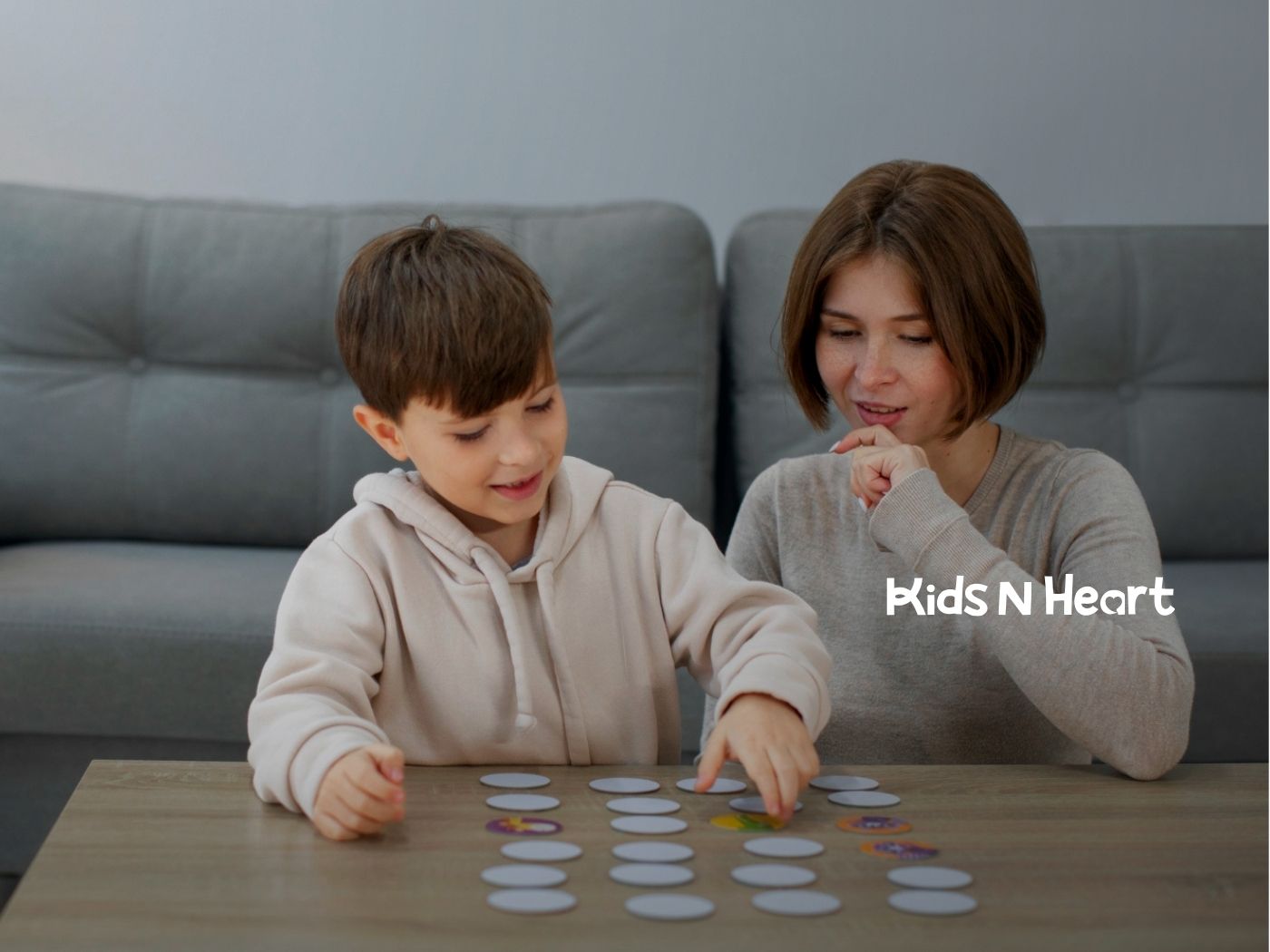
Having therapy at home often lowers a child’s anxiety when compared with other places. This helps them focus and makes it easier to pick up new skills. Therapists can fit their methods into the child’s daily routines, so each lesson connects to everyday life. This kind of session also helps children use new skills in real-world situations, which is good for long-term progress. Now, let’s look at what makes the in-home therapy model the right choice for your child and family.
Benefits of Choosing In-Home ABA Therapy
Getting ABA therapy at home helps make a strong and helpful place to learn. Being in a familiar environment helps cut down distractions or changes that can get in the way. When children feel safe and noticed, they are more open to taking part. This lets therapists build on their strengths in a better way.
Therapists can help your child learn right there, in their own space. This makes it easier for your child to use new skills, like brushing teeth or sharing toys, during daily routines. Using things you already have at home also helps the child see learning as a normal part of life. It keeps the learning going over time.
A big benefit is parent involvement. In-home ABA therapy lets caregivers see what happens in each session. Parents can use these ideas daily to help their child. Working with the therapist in this way brings steadiness, and that is good for the child and the family as a whole. If you want to know if now is the best time to try in-home ABA therapy, the next part will talk about what you need to think about.
🏡 Why In-Home ABA Therapy Works
🏠Familiar Environment
Being at home reduces distractions and helps your child feel safe and ready to learn.
⬇️
🧠Better Engagement
Children are more open to learning when they feel noticed and secure.
⬇️
🔧Real-Life Practice
Therapists teach skills like brushing teeth or sharing toys during your child’s normal routine.
⬇️
🧸Everyday Tools
Using things already at home makes learning feel natural and ongoing.
⬇️
👨👩👧Parent Involvement
Parents can watch and join in. This helps keep things steady and supports long-term growth.
⬇️
❓Is It the Right Time?
The next part will help you decide if in-home ABA therapy is a good fit for your family right now.
🏠Familiar Environment
Being at home reduces distractions and helps your child feel safe and ready to learn.
🧠Better Engagement
Children are more open to learning when they feel noticed and secure.
🔧Real-Life Practice
Therapists teach skills like brushing teeth or sharing toys during your child’s normal routine.
🧸Everyday Tools
Using things already at home makes learning feel natural and ongoing.
👨👩👧Parent Involvement
Parents can watch and join in. This helps keep things steady and supports long-term growth.
❓Is It the Right Time?
The next part will help you decide if in-home ABA therapy is a good fit for your family right now.
When to Consider In-Home ABA Therapy for Your Child
Figuring out the best time to start therapy has a lot to do with your child’s needs and where they are in their development. Early intervention for autism can be important because studies show the sooner you start, the better the results can be over time. If your child has an autism diagnosis, in-home therapy can begin right away to give your family the support needed.
In-home ABA therapy works well if your goals are about daily routines at home, like getting dressed, eating, or spending time with siblings. It lets a therapist see real-life problems at home and find the right ways to help your child.
Talking about a customized treatment plan with your child’s therapy team is also key. You and the team can share ideas often so that your child has the support needed, at the right pace and place, for where they are right now. Now, let’s look at some ways to get your home ready.
Essential Preparations for In-Home ABA Therapy
Getting ready for ABA therapy at home starts with setting up a space that helps your child learn. Make sure this area does not have big distractions, so your child can pay attention to lessons and activities. Pick a quiet, tidy therapy space where you can set clear expectations right from the start.
It is also important to put things in order to help the therapists as they work. Sensory toys and learning tools should be easy to get, so there is more time to spend teaching. Next, we will talk about how to make this therapy space fit your child’s needs and show you how to choose the area for ABA therapy.
Designating a Dedicated Therapy Area
Building a good therapy space is the first step to having better sessions. Pick a spot with not a lot of noise or things that can pull attention away. You can use a quiet room or a corner in your home. Make sure the place is easy to get to. This way, you and your child can keep up daily routines. It will help the area feel friendly and known to both of you.
Having clear expectations plays a big part in making things work well. Talk to the therapists about how you want the room to look. This could be keeping toys put away, using less electronics, or putting up visual schedules for your child to see.
It is good to use daily routines in the new therapy area. This will help your child practice skills every day. If you want to work on morning jobs, put the therapy space near a bathroom or bedroom so it fits in with what you do each day. When you have the right therapy area set up just for you and your child, you can get the materials you need ready. This will help every session get better and have more meaning.
Organizing Necessary Materials and Tools
Good organization makes sure your therapy sessions go well. Put tools, sensory items, and ABA materials in the places where you can get them fast. You should keep things you use a lot, like puzzles, visual schedules, and sensory toys, where you can reach them. These resources help your child stay active in the session.
- Sensory Tools: Use items like therapy balls and fidget toys. They help people pay more attention and feel less anxious during lessons.
- Educational Resources: Use ABA therapy tools, such as flashcards and communication devices, to help build new skills.
- Electronic Devices: If you use a tablet for learning, make sure it is charged and ready before each therapy session.
- Storage Solutions: Store your things in bins or on shelves. This way, there will be less mess, and everything will be easy to find.
Having these materials ready helps each therapy session move smoothly. It lets the therapist put the focus on the child’s progress. Now, let’s go over the steps for getting your home ready for ABA therapy.
Step-by-Step Guide to Setting Up Home for ABA Therapy
Creating a supportive environment for your autistic child begins when you pick the right space in your home and set up tools in the best way. This makes it simple for both the therapist and the child to get the most out of every session. Each one becomes easier and helps reach the set goals.
When you make your home setting just for therapy, it brings fewer distractions. Each activity then has a clear reason. If you follow some easy steps, like choosing a good spot in the house and putting all your equipment in order, you can help make therapy better. These steps are easy to follow. Let’s go through these phases one by one.
Step 1: Select the Right Location
Choosing the right therapy space is important. It can help your child stay focused and comfortable. Try to pick a quiet room, away from busy areas in your house. This helps cut down on noise and things that might grab their attention. It is good to use a spot that has enough light and fresh air. This can help your child feel at ease.
Think about your child’s daily routine when you pick a spot. Be sure about what you and your child do each day. If getting dressed or eating is part of what you work on, it may help to be close to the bathroom or kitchen. Try to use the same area each time. Keeping the therapy space the same can help your child feel safe and know what to expect.
Watch for safety in the therapy space. Do not leave out sharp objects. Cover any outlets. Clear away things that could get in the way. You should talk to your ABA therapist about the space. It is good to know the place fits your child’s goals. After you choose the spot, the next step is to set up the therapy equipment in the space.
Step 2: Arrange Therapy Equipment
Arranging therapy equipment in the right way helps to keep every session on track. Start by putting sensory items, ABA tools, and reinforcers close to your child’s therapy space. It is very important to stay organized—use labeled bins or shelves so everything is easy to find.
| Equipment Type | Example Items |
| Sensory Tools | Therapy balls, weighted blankets, and noise-cancelling headphones |
| Educational Activities | Puzzles, flashcards, and games tailored to therapy goals |
| Behavior Reinforcers | Stickers, tokens, or small toys as motivational incentives |
| Electronics for Learning | Tablets preloaded with ABA applications and lessons |
Setting up the equipment in a good way saves time and lets the therapy move smoothly. Your child will get more chances to learn without any break in their therapy space. When everything is orderly, you can look forward to good results!
Conclusion
Getting your home ready for in-home ABA therapy is an important step to help your child get the support they need. Pick a space in your home just for therapy sessions. Set up the things you will need nearby. Follow a simple plan to make sure everything is ready to use. This helps make a place where your child can learn and grow. When the room is ready, therapy sessions can work better. Your child will also feel more at ease and interested during the time spent together. When you take these steps, you help set the scene for meaningful progress.
At Kids N Heart, we partner with families to deliver warm, effective in-home ABA therapy in North Carolina that fits naturally into your child’s daily routine. From helping you set up a therapy space to creating a plan that reflects your child’s strengths and needs, our team is here to support you every step of the way.
Ready to Get Started with In-Home ABA Therapy? Contact us today!
Frequently Asked Questions
What is the ideal environment for in-home ABA therapy?
The best place for in-home ABA therapy is a safe and quiet spot with no distractions around. This space should feel natural and comfortable. That way, people can learn better there. Make sure the area is not messy and that it is easy to get to things you need. You should keep it tidy and set up in a simple way. Using visual schedules or other ABA therapy tools helps keep clear routines. This makes it easier for people to grow and learn well.
How often should sessions be scheduled?
How often a child should go for ABA therapy sessions depends on what the child needs to learn. The best results come with steady work, so your child may need to have sessions every day or a few times each week. You and your therapist will work together to make a plan that fits your child. This way, the aba therapy sessions support your child’s growth in the best way.
What are the essential modifications I should make to my home for effective in-home ABA therapy?
To make the space safe and easy to use, start by taking out anything that could get in the way or be unsafe. Keep things tidy and put tools like visual schedules and sensory items where they belong. When the area is clear and open, therapists can use ABA strategies in a better way. This kind of space also helps your child pay attention and join in more.
Sources:
- https://www.autismparentingmagazine.com/parents-aba-therapy-home/
- https://pmc.ncbi.nlm.nih.gov/articles/PMC5621997/
- https://psycnet.apa.org/record/2023-26530-006
- https://link.springer.com/article/10.1007/BF01538540
- https://scholarworks.waldenu.edu/cgi/viewcontent.cgi?article=11317&context=dissertations
- Tags:
- ABA therapy
- Blog