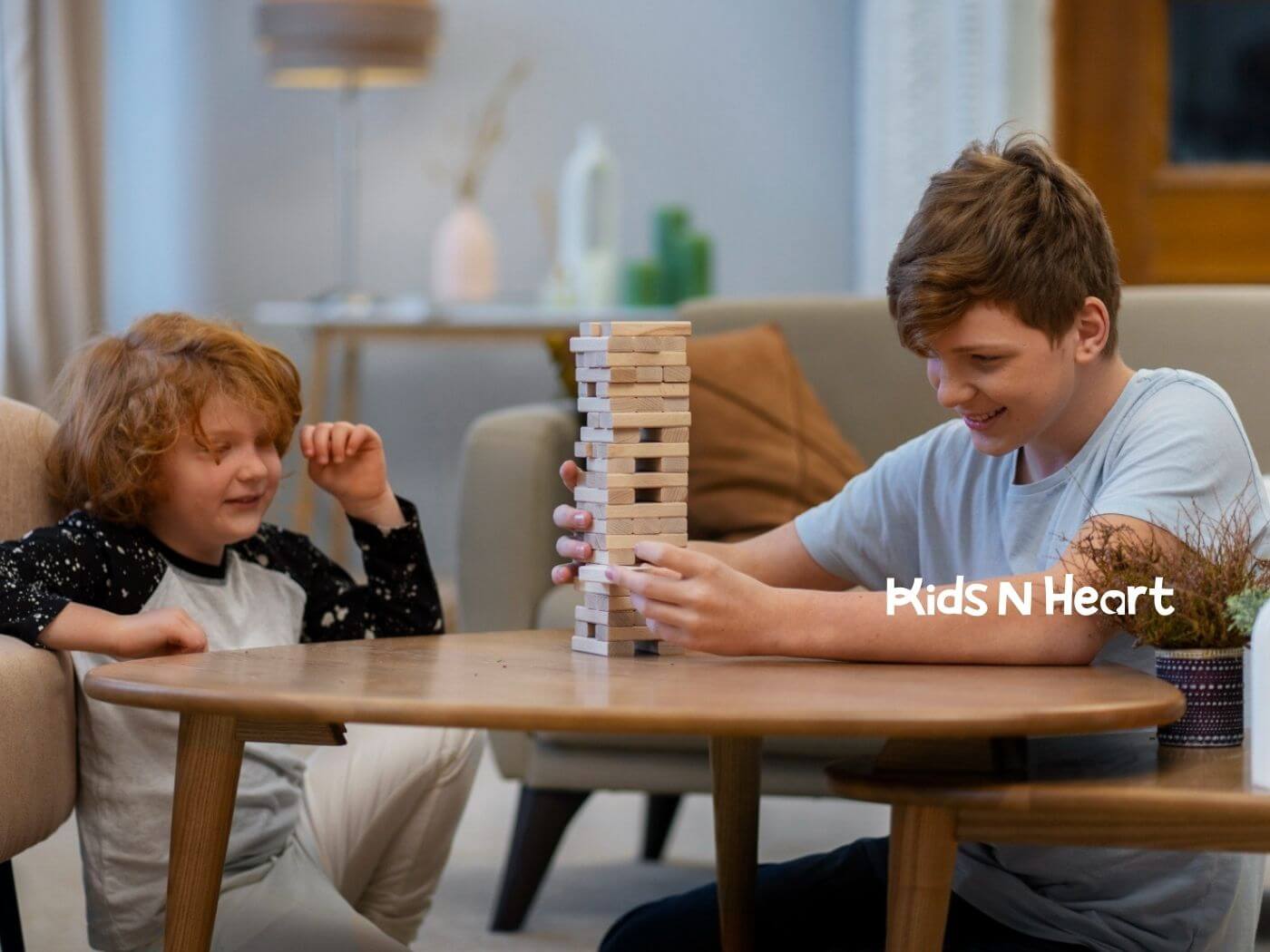
Brain exercises for autism can be super helpful in supporting kids with autism in developing key skills like communication, focus, and social interactions.
These activities are not only fun but can also make a real difference in how children with autism engage with the world around them.
The great thing about brain exercises is that they are adaptable and can be designed to meet the unique needs of each child.
Here’s a look at some brain exercises that can make a positive impact on children with autism:
Memory Games
Memory games are perfect for boosting focus, attention, and memory. Whether it’s matching games or simple card games, these exercises can help your child stay engaged while strengthening their brain.
- How it helps: Memory games enhance attention span and memory recall, making it easier for kids to remember things like schoolwork, routines, or conversations.
- Examples: Playing “Memory Match” cards, using apps that test memory skills, or even playing games like “Simon Says” that require remembering actions.
Puzzles and Problem-Solving Games
Working on puzzles is a fantastic way to improve problem-solving and critical thinking skills. Plus, puzzles can help with motor coordination and patience—two important areas for kids with autism.
- How it helps: These games engage logical thinking and encourage kids to develop patience while working through challenges.
- Examples: Jigsaw puzzles, building blocks like LEGOs, or apps designed to test problem-solving skills.
Interactive Social Skills Games
One of the most important areas for children with autism is social skills. Interactive games that mimic real-life situations can help kids learn about turn-taking, eye contact, and communication.
- How it helps: These games teach valuable social skills that help children build friendships and navigate social situations.
- Examples: Role-playing games, board games like “Guess Who?”, or using apps that involve social decision-making.
Mindfulness and Relaxation Techniques
Mindfulness exercises are a great way to help children manage stress, anxiety, and emotional overload, which are often challenges for children with autism. Simple relaxation techniques like deep breathing can help kids calm down when they’re feeling overwhelmed.
- How it helps: Mindfulness promotes emotional regulation, making it easier for children to stay focused and manage their emotions.
- Examples: Breathing exercises, progressive muscle relaxation, or even guided meditation apps for kids.
Sensory Integration Activities
Many children with autism experience sensory sensitivities. Sensory integration activities help kids explore different textures, sounds, and movements in a structured way. This can help reduce sensory overload and improve how kids process sensory information.
- How it helps: These activities help children become more comfortable with their environment and manage sensory inputs better.
- Examples: Playing with sensory bins (e.g., rice, beans, or sand), swinging, or bouncing on a trampoline.
Physical Exercise
Physical exercise isn’t just good for the body—it’s great for the brain too! Activities like jumping, running, or even yoga can stimulate brain growth, improve coordination, and boost mood. Exercise also helps kids stay focused and feel more confident in their bodies.
- How it helps: Physical activities help release endorphins, which can improve mood and energy levels, while also enhancing motor coordination.
- Examples: Swimming, yoga, martial arts, or just playing outdoor games like soccer or tag.
Language and Communication Activities
Communication is often a key area for children with autism. Brain exercises that focus on language skills—whether it’s expanding vocabulary or improving sentence structure—can help boost a child’s ability to express themselves.
- How it helps: These activities help children improve both verbal and nonverbal communication, making it easier for them to express their needs and interact with others.
- Examples: Reading books together, using picture cards, or playing games that involve following simple directions.
Music and Rhythm Activities
Music is a powerful tool for engaging kids, especially those with autism. It helps with focus, rhythm, and coordination. Playing instruments or simply clapping along to a beat can stimulate brain activity and improve memory.
- How it helps: Music activities enhance auditory processing and memory, while also improving motor coordination.
- Examples: Playing simple instruments like drums or keyboards, clapping to rhythms, or dancing to music.
Conclusion
Brain exercises for autism are more than just fun—they can be a great way to help children build skills in communication, behavior, and social interactions. The key is finding the right exercises that resonate with your child and make them feel motivated to participate.
Whether it’s memory games, sensory activities, or mindfulness practices, these exercises can go a long way in helping your child feel more confident and capable.
If you’re looking for additional support or personalized care, Kids N Heart ABA provides tailored ABA therapy to help children with autism develop important life skills. Our in-home ABA and school-based ABA programs are designed to fit your child’s unique needs and ensure they get the most out of their therapy sessions.
Contact us to learn more about our ABA therapy services in North Carolina.
Frequently Asked Questions
What brain exercises work best for children with autism?
Memory games, puzzles, social skills games, and sensory integration activities are great brain exercises for children with autism. These activities help improve focus, communication, and motor skills.
Can brain exercises help with communication for children with autism?
Yes! Language and communication exercises, such as reading together or using communication apps, can significantly help children with autism improve their ability to communicate effectively.
How can mindfulness exercises help children with autism?
Mindfulness exercises can help children with autism regulate their emotions, reduce anxiety, and improve focus. Simple techniques like deep breathing or guided relaxation can make a big difference.
Sources:
- https://www.sciencedirect.com/science/article/abs/pii/S1360859224003838
- https://pmc.ncbi.nlm.nih.gov/articles/PMC11987222/
- https://www.frontiersin.org/journals/psychiatry/articles/10.3389/fpsyt.2024.1462601/full
- https://www.uchealth.org/today/can-exercise-provide-a-boost-for-brain-and-body-in-teens-with-autism/
- https://bmcpsychiatry.biomedcentral.com/articles/10.1186/s12888-022-04501-1
- Tags:
- autism