Key Highlights
- Regular physical activity offers a wide range of benefits for young people on the autism spectrum.
- Exercise programs can lead to significant improvements in motor skills, physical fitness, and muscular strength.
- Engaging in physical activity helps enhance social skills and communication skills in a fun, natural setting.
- Incorporating exercise into therapy can reduce stereotypical behaviors and improve overall quality of life.
- The benefits of exercise extend to physical health, promoting a healthy weight and better sleep.
For many children with autism, therapy is part of everyday life. Parents often juggle speech sessions, occupational therapy, and ABA programs. But here’s something many families notice on their own: when their child spends time moving — running in the backyard, splashing in the pool, or even bouncing on a trampoline — the rest of the day just seems easier.
That’s not just luck. Studies show that physical activity can boost therapy outcomes and improve overall quality of life for children on the autism spectrum. Let’s explore how.
Why Physical Activity Matters in Autism
Exercise is more than burning energy. For children with autism, movement has therapeutic benefits:
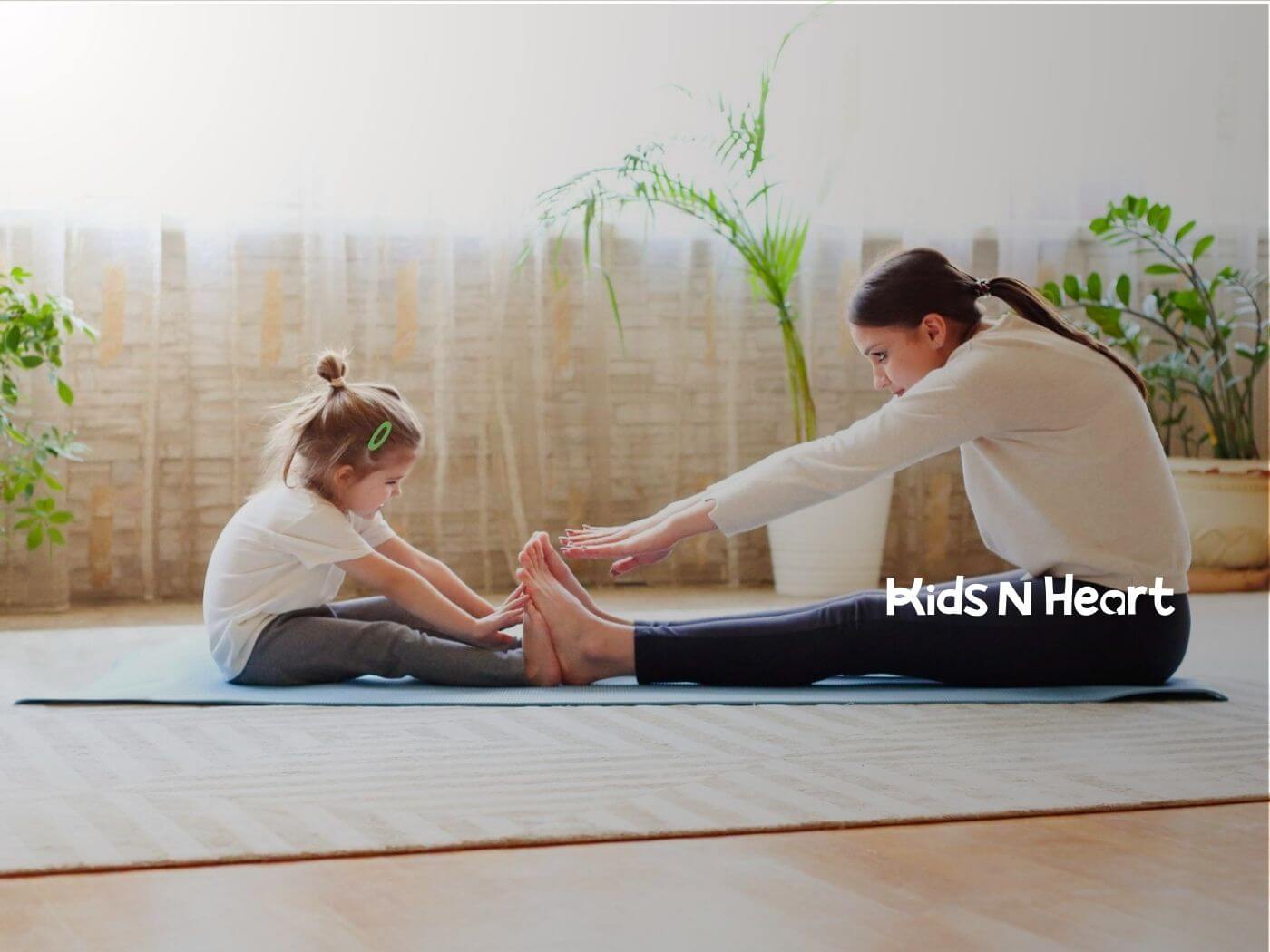
- Improves motor skills: Activities like swimming and yoga build coordination and balance.
- Reduces stress: Exercise releases endorphins, helping kids manage anxiety.
- Supports sleep: Many parents report their children sleep better after being active.
- Encourages social growth: Team sports or group dance classes provide natural chances to practice communication.
One study published in Autism Research analyzed 29 different programs and found moderate to large improvements in motor skills, strength, and even social functioning for autistic children who participated in structured exercise.
What the Research Shows About Physical Activity
Research doesn’t just highlight benefits — it shows specific outcomes. For example:
- A 2020 review found that children with autism who joined structured exercise programs improved their motor skills by up to 37%, compared to peers who didn’t participate.
- Studies on martial arts and dance show they don’t just improve fitness but also boost social interaction, thanks to predictable routines and group practice.
- Children who exercised regularly had better sleep quality, which often carried over into improved focus during ABA therapy sessions and school.
What stands out is that physical activity impacts multiple areas at once — body, mind, and behavior. That’s why many therapists now encourage families to view exercise not just as “extra,” but as an important piece of the therapy puzzle
Best Types of Activities for Children With Autism
Individual Activities
- Swimming: Calming, full-body exercise.
- Yoga: Improves balance and self-regulation.
- Walking or Running: Easy to build into routines.
Group Activities
- Martial Arts: Clear rules, structure, and progression.
- Dance: Encourages creativity and social connection.
- Adapted Sports: Inclusive programs that teach teamwork and social skills.
Sensory Play and Movement
- Trampolines: Provide strong sensory feedback.
- Obstacle Courses: Build strength and coordination.
- Animal Walks: Fun way to practice motor skills.
How to Make Physical Activity Stick
Autistic children often thrive on routine. That’s why scheduling activity at the same time each day helps reduce resistance. Visual schedules, picture cards, or even simple “first/then” reminders can make transitions easier.
The most important thing? Keep it fun. Exercise doesn’t have to mean formal sports. A family dance party, balloon volleyball in the living room, or a walk to the park can be just as effective.
Physical activity isn’t just playtime — it’s a powerful therapy tool. Regular movement can reduce anxiety, improve sleep, build social confidence, and strengthen motor skills. Most importantly, it helps children feel happier and more capable in their daily lives.
At Kids N Heart, we believe movement and therapy go hand in hand. That’s why our team builds physical activity and skill-building into every plan — whether through In-home ABA, School-based ABA therapy, or Telehealth ABA. By blending structured learning with active, engaging strategies, we help children make meaningful progress in ways that feel natural and fun.
Every child is different, but with the right support, they can grow in confidence, independence, and joy.
Ready to explore our ABA therapy services in North Carolina? Contact Kids N Heart today to get started
Frequently Asked Questions
What types of physical exercises are best suited for children with autism?
The best physical exercises are those your child enjoys. A good physical activity program for young children often includes activities that build gross motor skills like swimming, yoga, and walking. For structured social practice, highly predictable activities like martial arts or dance can be very effective.
How does regular physical activity affect autism symptoms and therapy outcomes?
Regular physical activity can positively affect autism symptoms by reducing repetitive behaviors and improving sleep. It enhances therapeutic outcomes by building motor skills, strength, and confidence. Physical activity interventions are proven to improve social function and provide a natural setting to practice skills learned in therapy.
What safety tips should parents consider for exercise with autistic kids?
For risk prevention, always follow supervision guidelines, especially near water. Use adaptive equipment like visual aids to improve understanding and safety. Before starting, consult a doctor to ensure the activity is appropriate for your child’s physical health, which is a key part of overall well-being and disease control.
Sources:
- https://pmc.ncbi.nlm.nih.gov/articles/PMC11899540/
- https://pmc.ncbi.nlm.nih.gov/articles/PMC8637167/
- https://pmc.ncbi.nlm.nih.gov/articles/PMC7642468/
- https://pmc.ncbi.nlm.nih.gov/articles/PMC10681626/
- https://www.autismspeaks.org/expert-opinion/autism-exercise-benefits
- Tags:
- ABA therapy
- autism