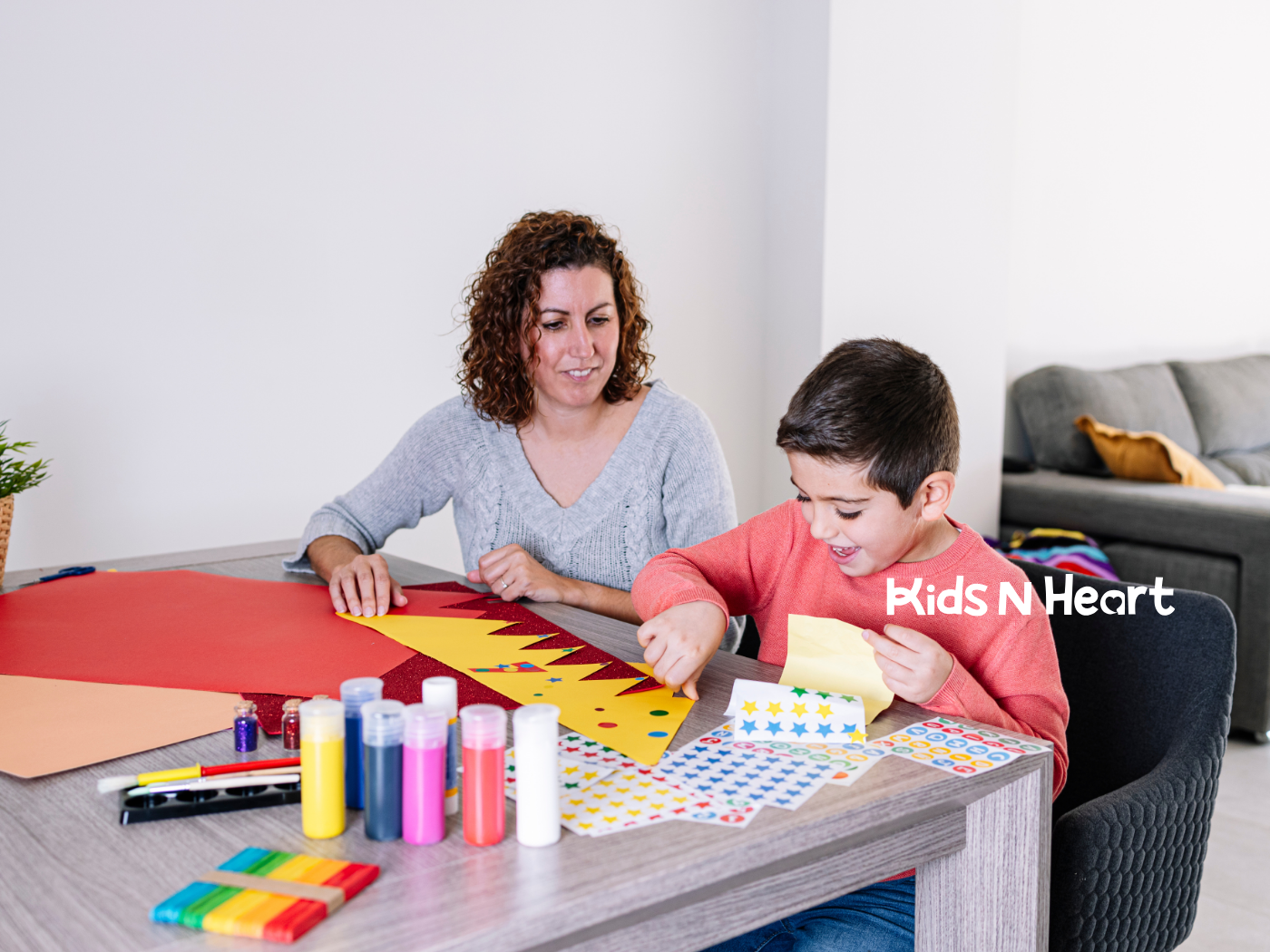
Applied Behavior Analysis, or ABA therapy, is a method based on science. It aims to create important changes in behavior, especially for children with autism spectrum disorder (ASD). ABA therapy focuses on improving important skills like communication and social interaction. It uses organized techniques and information to help children. By looking at actions and adjusting what we do, ABA helps kids on the autism spectrum develop key skills for their personal and social growth. This blog will look at seven main ABA therapy techniques that can support these children effectively.
7 Key ABA Therapy Techniques to Support Autism
ABA therapy uses different ways to improve communication, learning, and social skills for children on the autism spectrum. It starts with simple methods like positive reinforcement and moves to advanced techniques such as Verbal Behavior Intervention. Each process is tailored to fit individual needs. These techniques can be used in therapy sessions, schools, and at home, helping to encourage progress and good results.
In the following sections, we will explore seven effective ABA therapy techniques. We will share how they can be applied and how they help in growth and development.
1. Positive Reinforcement
Positive reinforcement is a key method in Applied Behavior Analysis. It helps encourage good behavior in children with autism. This method rewards specific actions right after they happen. This makes it more likely that the behavior will be repeated. A reward can be praise, toys, or extra playtime. Reinforcement systems help make sure this method is used consistently. This way, children can see how their actions lead to positive results.
For instance, if a child keeps eye contact during a chat, an ABA therapist might give them applause and a favorite toy. This helps the child build a habit of positive social interactions. Positive reinforcement isn’t just for therapy sessions. Caregivers also use it at home to encourage behaviors like sharing toys or cleaning up.
Using reinforcement systems well helps to create new behaviors. It also boosts a child’s confidence and sense of success.
2. Discrete Trial Training (DTT)
Discrete Trial Training (DTT) is a clear way to teach certain skills through repeated practice. Each trial is split into smaller, easy steps. This makes it easier for the learner to understand. Verbal instructions, along with visual and physical cues, help guide the person to achieve the desired behavior. Positive reinforcement is very important. It rewards successful tries and helps form behavior patterns. This method works well for improving communication skills and social interactions. It is key in effective ABA therapy sessions.
3. Task Analysis
Task Analysis is a way to break down complex tasks into smaller, manageable steps. This helps children with autism understand and complete these tasks more easily. It is a key part of ABA therapy that teaches children how to do several steps, like tying shoelaces or packing school bags.
ABA therapists start by listing each step in a task. For instance, when teaching how to set the dinner table, the steps might include picking up plates, placing them on the table, and organizing utensils. Each step is taught one at a time, so the child can build confidence before moving on to the next step.
With regular practice and support, children learn to connect these smaller steps into a complete skill. Task Analysis teaches children useful life skills, helping them become more independent in their daily activities.
4. Functional Communication Training (FCT)
Effective communication is key to functional communication training (FCT). This approach uses certain ABA techniques to boost a person’s communication skills. It helps them express their needs and wants in the right way. During therapy sessions, skilled ABA therapists use teaching methods that encourage positive behaviors while also dealing with problem behaviors. They apply visual cues, verbal prompts, and reinforcement systems to help learners reach their communication goals in different settings. This method helps individuals with autism spectrum disorder handle social situations better.
5. Incidental Teaching
Incidental Teaching helps kids learn important skills by using chances in natural settings, like classrooms or playgrounds. Instead of structured methods, this approach focuses on spontaneous moments for learning. It encourages children to connect with their environment and notice social cues.
For instance, while playing a board game, a therapist may take the chance to teach turn-taking. They might encourage the child to say, “Your turn” or “My turn,” highlighting communication in a casual environment. If a child points to a favorite toy, the therapist might model the word “ball” and ask the child to say it back.
Social cues and real-world interactions are key to incidental teaching. This method makes sure the skills learned apply to daily life. Combining teaching with play creates an easy and fun learning experience suited to each child’s interests.
6. Pivotal Response Training (PRT)
Pivotal Response Training (PRT) helps improve key areas in a child’s growth. It focuses on motivation and how they interact with others. PRT uses applied behavior analysis techniques to promote positive behaviors in everyday settings. By using verbal prompts and visual cues, this training helps kids learn in real-life situations. Children can practice their communication skills in their social environments. The method encourages teaching in small steps. This way, children can gain confidence and manage different social situations successfully.
7. Verbal Behavior Intervention (VBI)
Verbal Behavior Intervention (VBI) focuses on the role of language in helping people with autism spectrum disorder develop communication skills. This method uses applied behavior analysis to teach verbal skills by breaking them into smaller, manageable steps. Positive reinforcement is important here, as it promotes good responses and helps in learning language. During therapy sessions, VBI uses social cues and visual prompts to improve communication in different settings. This approach helps foster better social interactions and improves overall language skills.
Understanding the Benefits of Each Technique
Each ABA therapy technique has special benefits that help in different parts of a child’s development. Functional Communication Training improves language skills. Task Analysis helps kids become more independent by learning step-by-step routines. Positive Reinforcement encourages desired behavior by rewarding good actions. PRT helps in creating meaningful social interactions and encourages emotional recognition.
When these techniques are combined in therapy sessions, children with autism make progress in communication, social skills, and learning. ABA methods can be used at school or at home, giving important tools for growth and development.
Enhancing Communication Skills
Improving communication skills is one of the most important benefits of ABA therapy, especially for children with autism. Methods like Functional Communication Training (FCT) and Verbal Behavior Intervention (VBI) help build language skills and real interactions.
FCT helps non-verbal children share their needs using gestures, pictures, or simple sounds. This approach decreases frustration. For example, giving a card with a picture of water can clearly show that a child is thirsty. VBI teaches kids to use words in social situations. It helps them ask for things or say hello, which prepares them for daily conversations.
These methods also promote back-and-forth communication. This helps children express their thoughts and join in two-way conversations. With structured ABA strategies, children gain the skills they need to handle social situations with confidence, leading to steady improvement in their communication abilities.
Improving Social Interaction
ABA therapy helps develop social skills that are important for making friends and adapting to different situations. Methods like Pivotal Response Training (PRT) and Verbal Behavior Intervention (VBI) focus on key parts of social interaction, such as eye contact, body language, and working together.
PRT encourages kids to start conversations and rewards them for showing feelings or starting interactions. For instance, when a child asks, “Can I play with you?” during playdates, it improves their ability to connect with other kids. VBI helps with conversation skills, such as asking questions and responding in the right way.
These methods also teach kids how to read body language and social cues when they are in a group. This way, children can join in on activities more easily. With ABA therapy, social interaction changes from something hard into a chance for connections and teamwork.
Increasing Learning Opportunities
The use of ABA techniques helps create learning settings designed for growth. This is important for children on the autism spectrum to learn useful skills. There are different strategies, such as Discrete Trial Training and natural approaches like Incidental Teaching. Each method helps a child gain and use new knowledge.
| ABA Technique | Learning Focus |
|---|---|
| Positive Reinforcement | Strengthening behaviors through rewards |
| Discrete Trial Training | Breaking tasks into teachable steps |
| Task Analysis | Breaking down complex actions into simpler parts |
| Natural Environment Teaching | Using skills in real-world situations |
| Pivotal Response Training | Encouraging motivation and social interaction |
These techniques work together to provide a well-rounded teaching approach. They widen and improve learning chances during ABA sessions.
Implementing ABA Techniques at Home
Bringing ABA therapy home helps your child practice and improve better. It is important to have a supportive environment with routines that suit your child’s needs. This way, your child can master skills they learn in therapy at home.
To use this therapy well, parents should work together with therapists to ensure rewards are the same for good behavior. ABA techniques, like Positive Reinforcement and Task Analysis, are easy to use during daily tasks like cooking or playing. These methods create a caring space where your child can keep learning and growing.
Setting Up a Conducive Learning Environment
A good learning environment is very important in ABA therapy. It helps children with autism feel supported during their sessions. We can create this environment by customizing it to match the child’s likes and needs.
For instance, a “natural environment” might have quiet areas for focused work or sensory-friendly spaces to reduce distractions. Staying organized is vital. Clearly labeled items, visual cues, and special learning spots make tasks easier and boost participation.
Parents can bring this positive environment into everyday life. They can help children practice behaviors in places where they feel comfortable. For example, using a chart to show morning tasks can help them be more independent and keep things consistent during sessions. Together, these customized spaces improve the impact of ABA therapy at home.
Consistency and Routine in Sessions
Consistency and routine are very important for getting the most out of ABA therapy at home. When parents create predictable patterns for ABA sessions, children feel safer and know what to expect.
For instance, having fixed times for therapy tasks, like working on communication skills after breakfast, helps kids form habits. Reinforcement systems should also be steady; rewards for good behavior and progress must remain the same. This makes it easier for children to repeat actions they should without getting mixed up.
Parents can work with ABA therapists to align routines smoothly. Over time, consistent cues help children remember skills and feel more comfortable in various settings.
Challenges and Considerations in ABA Therapy
ABA therapy has many benefits, but it also has some challenges. Every child is different, so it takes careful planning to find the right mix of methods. Some kids may do well with specific techniques, while others may need different ones.
Also, how often a child goes to therapy can impact the results. A custom approach makes sure that sessions are effective but not too much for them. It’s important to pay attention to each child’s needs and set realistic goals for success and progress over time.
Addressing Individual Needs
Meeting individual needs is very important in ABA therapy because each child has different situations and reactions. The techniques used need to fit specific behaviors and be changed for different situations to get the best results.
For example, children with sensory issues may need gentler prompts or changes like less noise around them. Therapy schedules should be flexible to match their attention spans. This helps keep the sessions fun and effective. Therapists should also pay attention to behaviors that match the child’s personal goals, such as boosting their speaking skills or lowering outbursts.
When ABA therapy is tailored to these needs, it becomes an effective method that supports the child’s unique growth journey.
Balancing Intensity of Therapies
Finding the right level of intensity for therapy sessions is key for effective treatment. It helps to avoid stress or burnout for the child. ABA therapy can change to fit how often, how long, and how complex the sessions are.
For instance, starting with short and focused activities helps children slowly get used to the sessions. As they progress, tasks can be made harder, which requires them to focus more and engage deeply. Reinforcement systems must stay the same even when the intensity changes, to make sure children keep making progress.
Working together with therapists to change how each session goes lets children learn at a pace that works for them. With this balance, ABA techniques are used effectively and consistently.
Conclusion
In conclusion, the 7 helpful ABA therapy techniques mentioned here are important for helping children with autism. Each method, from positive reinforcement to verbal behavior intervention, provides special benefits. These can improve communication skills and social interactions, plus offer more chances to learn. Using these methods regularly at home can make a big difference in a child’s growth. By learning about different techniques and focusing on individual needs, you can create a space that helps kids grow and learn. If you want to learn more about how ABA therapy can help, think about contacting a specialist. They can give you personal advice and strategies that fit your child’s needs.
Implementing effective ABA strategies is key to supporting children with autism. When choosing a partner to deliver these vital services, you need a provider who combines proven methods with genuine compassion. Kids n Heart ABA is dedicated to being that partner. Our team of experienced professionals specializes in applying evidence-based ABA techniques with a deeply personalized and caring approach. We work closely with families to create tailored programs that focus on meaningful progress, helping each child build essential skills and thrive. Trust Kids n Heart ABA to provide the highest quality, heartfelt support for your child’s journey.
Frequently Asked Questions
What is the most effective ABA technique for autism?
The best ABA technique varies based on personal needs. Positive reinforcement and Discrete Trial Training are well-liked methods that help encourage desired behavior and lead to good results. Adjusting ABA techniques makes sure they focus on the specific growth areas for children on the autism spectrum.
How often should ABA techniques be applied?
ABA sessions should happen regularly to help the child make steady progress and keep learning. The number of sessions can vary from daily to weekly based on how the therapy is set up and what the child needs. Positive reinforcement is more effective with planned therapy sessions to encourage lasting behavior changes.
Sources:
https://www.autismspeaks.org/applied-behavior-analysis
https://research.aota.org/ajot/article-pdf/58/1/113/60745/113.pdf
https://online.regiscollege.edu/blog/task-analysis/
https://pmc.ncbi.nlm.nih.gov/articles/PMC2846575/
https://www.webmd.com/parenting/what-is-incidental-teaching
https://www.autismspeaks.org/pivotal-response-treatment-prt
- Tags:
- ABA therapy
- Blog